Dangerous Drugs: Advocating for Safety in the Pharmaceutical Industry
The pharmaceutical industry plays a major role in health care in the United States. New drugs go through testing and FDA review before reaching the market. Still, some serious side effects are only discovered after a medication is widely used by the public.
When patients are harmed, lawsuits may claim that drug companies:
- Failed to warn doctors or patients about known risks
- Misrepresented a drug’s safety
- Promoted drugs for uses not approved by the FDA
- Rushed products to market without proper testing
Our attorneys handle complex drug litigation and understand both the medical science and the law. We investigate development, testing, and marketing practices to uncover what went wrong.

Standing Up to Big Pharma
Beasley Allen has a long history of taking on major pharmaceutical companies.
One of the most wellknown drug cases involved the painkiller Vioxx. Thousands of patients suffered heart attacks and strokes after taking the medication. After years of litigation, Merck agreed in 2008 to pay $4.85 billion, the largest pharmaceutical settlement at that time.
Our firm helped shape that settlement and has continued to represent clients nationwide who were harmed by unsafe medications. Since then, we have handled numerous cases involving dangerous drugs, defective warnings, and serious side effects.
Unlocking the Medicine Cabinet
Medications generally fall into three categories:
Prescription Drugs
These medications require a doctor’s prescription and are regulated by the FDA. Some prescription drugs later become available over-the-counter if they are shown to be safe for broader use.
Over-the-Counter (OTC) Medications
OTC drugs can be purchased without a prescription. While different brands may look different, they often use the same active ingredients. Even OTC drugs can cause serious side effects if not properly tested or labeled.
Surgical and Clinical Medications
These drugs are given during medical treatment, hospital stays, or procedures. They include anesthesia, antibiotics, blood thinners, and pain medications. Errors or defects in these drugs can lead to serious complications.

Drug Recalls and Patient Safety
The FDA oversees prescription and OTC medications in the U.S. Drug manufacturers must report safety issues and issue recalls when a product is dangerous.
There are three types of drug recalls:
- Class I: The drug may cause serious harm or death
- Class II: The drug may cause temporary or reversible health problems
- Class III: The drug is unlikely to cause harm
Each year, the FDA announces hundreds of drug recalls, with most classified as Class II. These recalls highlight the ongoing need for stronger oversight and better safety practices in the pharmaceutical industry.
Medication FAQ‘s
Meet Our Medication Attorneys
Related News
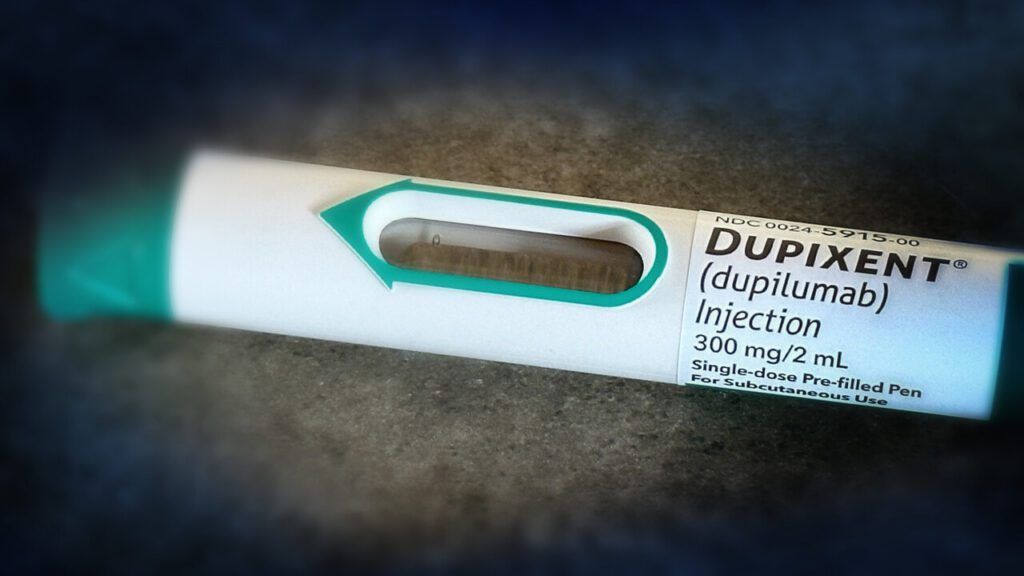
Lawsuit Filed: Early Action in Dupixent Litigation
Beasley Allen has filed its first lawsuit involving Dupixent. Right now, only three law firms…
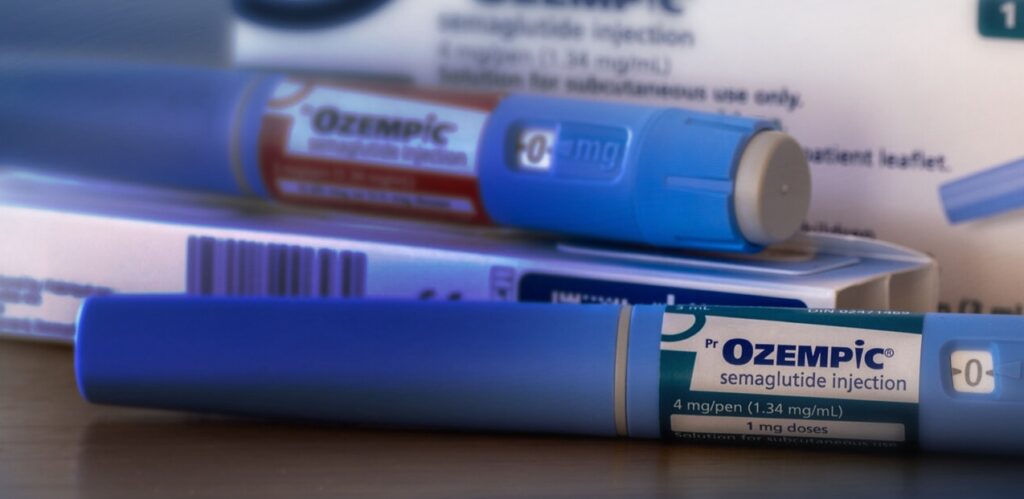
Ozempic Order Breakdown, The Latest In The Litigation
The latest in Case Management Orders (CMOs) for the Ozempic Litigation! Judge Karen Marston is overseeing…

Victory Against Company Selling Kids Suicide Chemical
Beasley Allen, along with its co-counsel C.A. Goldberg, PLLC, recently secured a win at the…
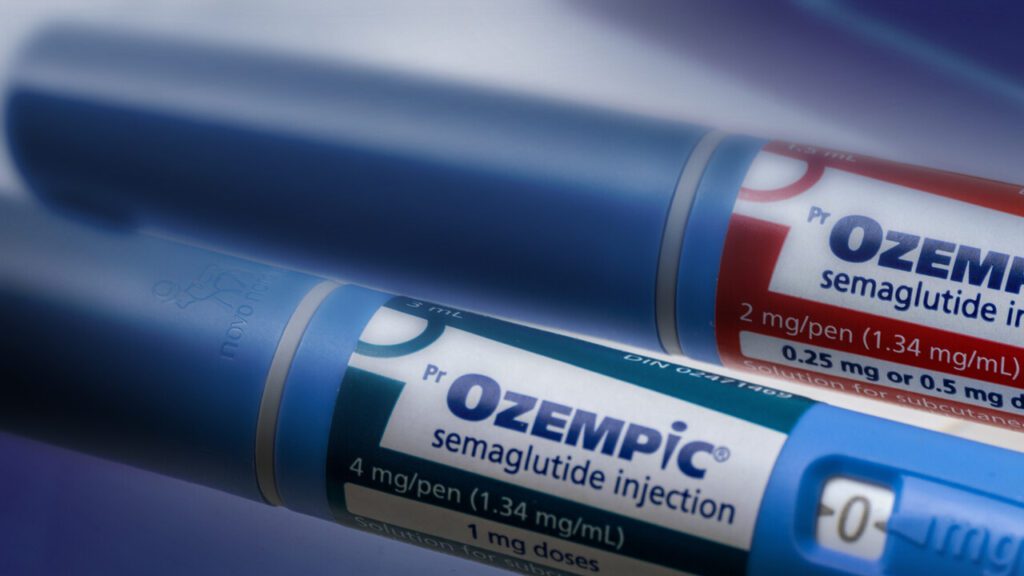
Blockbuster Diet Drugs Linked to Blindness
Diet drugs have skyrocketed in popularity and are no stranger to scary side effects. In…
Alabama Opioid Settlements: $728 Million & Climbing
The opioid epidemic swept across the United States, leaving a trail of addiction, overdose, and…
Alabama Reaches $220 Million Settlement with Opioid Distributors*
The State of Alabama has settled with two opioid distributors, resolving litigation for their roles…
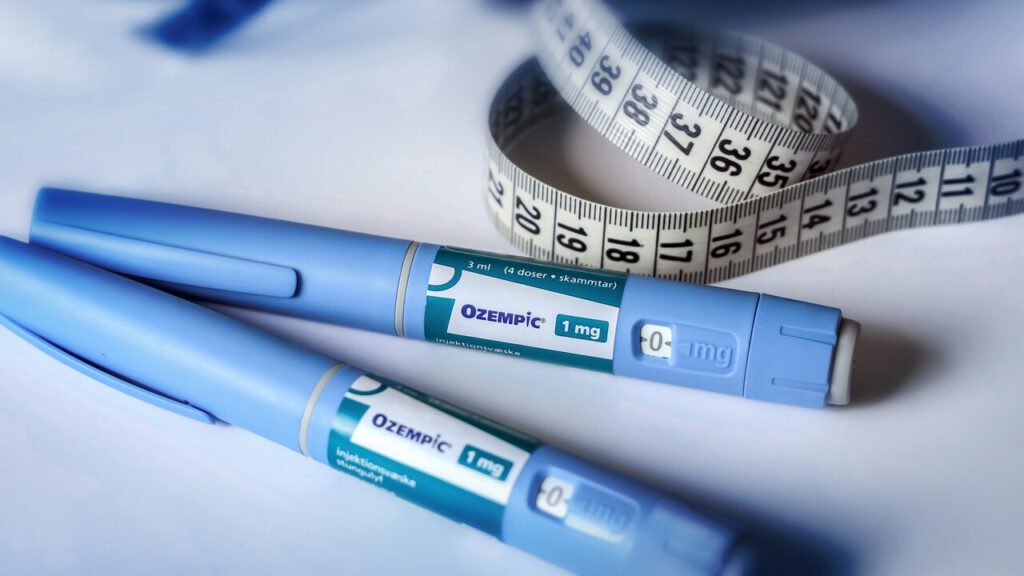
New Lawsuits Filed Over Ozempic Side Effects
Many of us have come across advertisements for Ozempic, an FDA-approved injection used to treat…
Acetaminophen MDL Clients Get Favorable Ruling
U.S. District Judge Denise Cote in the Southern District of New York recently took significant…
Over $1 Billion Georgia Opioid Settlement*
Medication Settlement Over $1 Billion Georgia Opioid Settlement* We helped secure an over $1 billion…
Opioid multidistrict litigation, state cases updates
Lawyers in the opioid multidistrict litigation (MDL) debated in a hearing on Nov. 6 over…
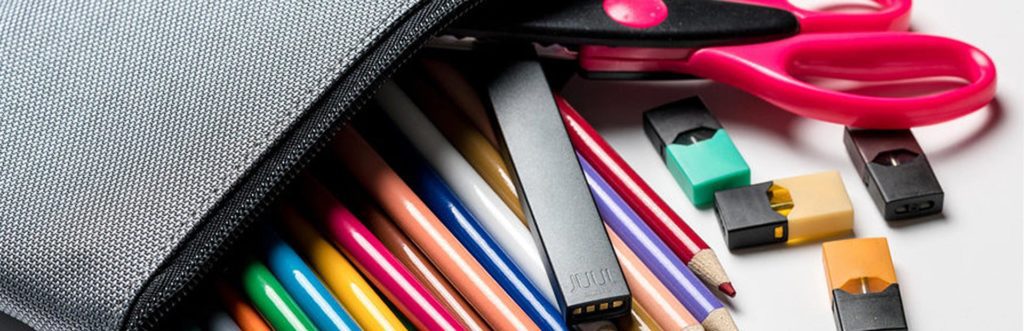
School districts in three states file vaping lawsuits against JUUL Labs
Beasley Allen lawyers and co-counsel filed lawsuits on behalf of school districts in Kansas, Missouri,…
Beasley Allen sues JUUL for Ohio mother of addicted teen twins
Beasley Allen has filed a lawsuit against JUUL Labs on behalf of Rene Chaney, an…