Device Defects & Medical Mishaps
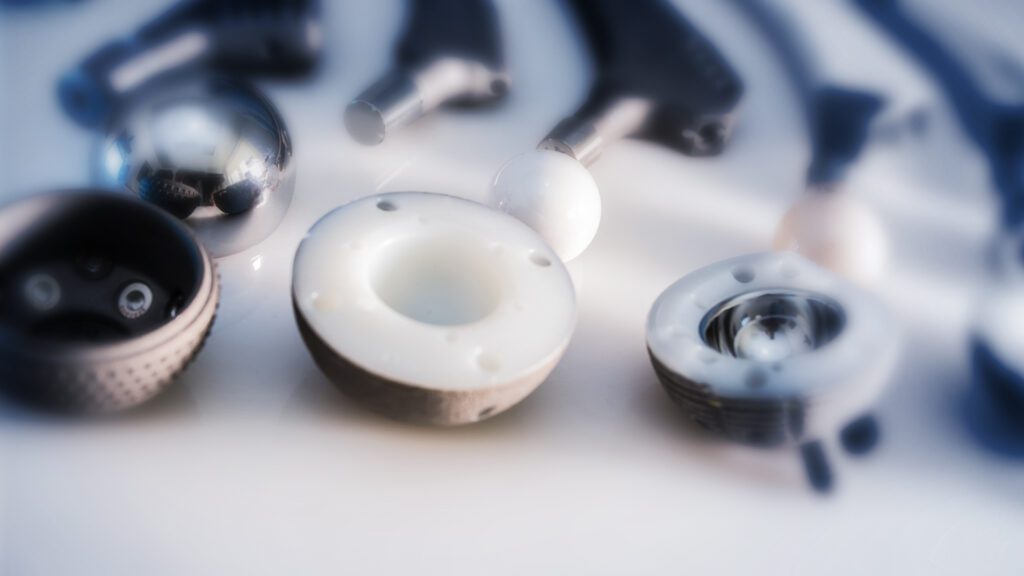
Medical devices are meant to help people feel better, manage health conditions, or make daily life easier. But when something goes wrong, a device can cause serious harm—affecting not just the patient, but their entire family.
More people rely on medical devices today than ever before. Many are safe and effective, but others only show serious problems after being used by large numbers of patients. In some cases, risks are not discovered until years later. When companies rush products to market or put profits ahead of safety, patients can end up paying the price.
If you or someone you love was injured by a defective medical device, you may have options. Some devices are poorly designed, made with faulty parts, or sold without clear warnings about serious risks. When that happens, the injuries can be lifechanging. We are committed to using our experience and resources to pursue accountability and seek justice for you and your family.

Why Medical Devices Fail
Medical devices can fail for many reasons, including:
- Poor or unsafe design
- Manufacturing errors or faulty parts
- Improper instructions or missing warnings
- Problems during implantation or surgery
- Devices rushed to market without enough testing
Some device makers also use legal defenses, such as federal preemption, to avoid responsibility. That is why it is important to work with a law firm experienced in navigating these complex cases.
A defective medical device does not just affect one person—it impacts families, caregivers, and everyday life. We are committed to helping clients seek answers, accountability, and justice.
Relying on Recalls
In the United States, the U.S. Food and Drug Administration (FDA) ensures that medical devices being sold are safe and function properly. If a medical device company discovers an issue with their product, it is their responsibility to initiate a recall to correct or remove the issue and to notify the FDA.
There are three types of medical device recalls:
- Class I: This is the most serious type of recall. It means there’s a high chance that using the product could cause serious health problems or even death.
- Class II: This type of recall indicates that the product might cause temporary or reversible health issues. The risk of serious health problems is low.
- Class III: This is the least serious type of recall. It means that using the product is unlikely to cause any health problems.
Medical device recalls are quite common and impact millions of devices in the U.S. Unfortunately, the process to fix these issues can take a long time, which means patients might be at risk for longer periods. With recalls happening more often and affecting more devices, it’s crucial to quickly and accurately identify which devices are problematic to keep patients safe.
Medical Device Recalls and the FDA
In the United States, the Food and Drug Administration (FDA) oversees medical device safety. When a device is found to be dangerous or defective, manufacturers must issue a recall and notify the FDA.
There are three types of medical device recalls:
- Class I Recall: The most serious. The device may cause serious injury or death.
- Class II Recall: The device may cause temporary or reversible harm.
- Class III Recall: The device is unlikely to cause harm but violates FDA rules.
Medical device recalls happen frequently and can involve millions of products. Unfortunately, recalls can take time, and patients may continue using unsafe devices before learning about the risk.
Medical Device FAQ‘s
Meet Our Medical Device Attorneys






Related News