Articles
Stay up to date with our latest wins, case updates, and firm achievements.

$5.7 Million secured in Automotive Products Liability Case
Automotive Products Liability Case $5.7 Million Settlement For more than 40 years, the Beasley Allen Law Firm has been committed to “helping those who need…

$8.125 Million in Trucking Accident Case
Trucking Accident Case $8.125 Million Settlement For more than 40 years, the Beasley Allen Law Firm has been committed to “helping those who need it…

Our Paraquat Lawyer Warns of Toxic Weedkiller’s Dangers
After further discovery, four of those plaintiffs will be selected by the presiding U.S. District Judge Nancy J. Rosenstengel for the first paraquat jury trials…

Chris Glover Named Finalist For Georgia Legal Awards Attorney Of The Year
Chris Glover, Beasley Allen’s Atlanta managing attorney, is one of three finalists for Daily Report’s Georgia Legal Awards 2022 Attorney of the Year. The award…
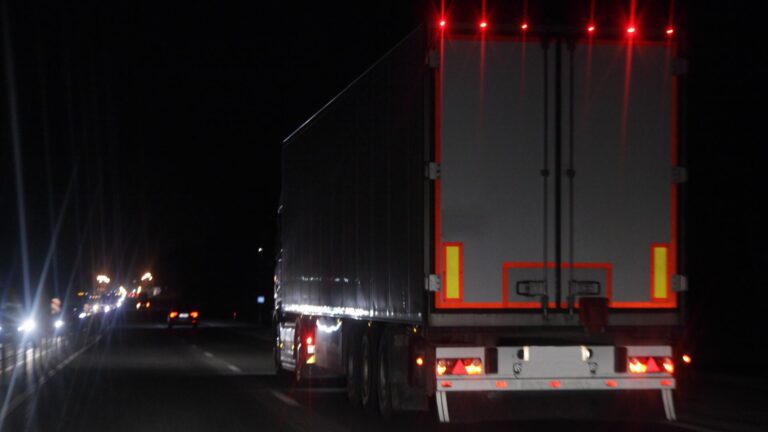
$5.75 Million for Client Who Suffered Traumatic Brain Injury in Trucking Accident*
A woman driving on a rural roadway late at night on her way to pick up her son was met with disaster at the hands…
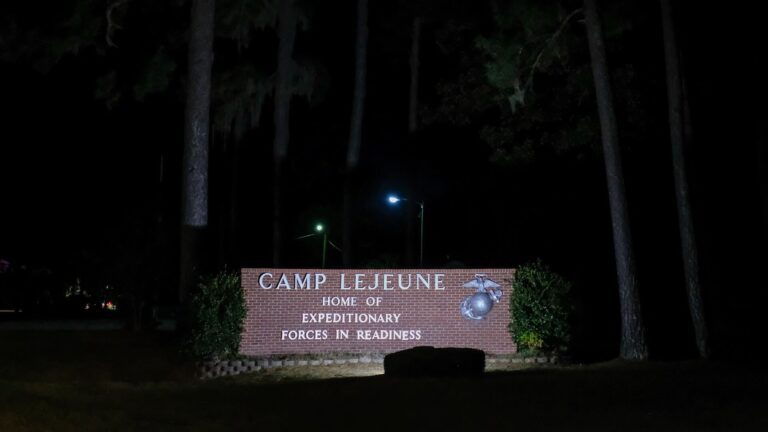
New Act Gives Camp Lejeune Water Contamination Victims Relief
From 1953 to 1987, more than one million service members and their families were exposed to contaminated water on Camp Lejeune. They used polluted water…

$7 Million Verdict Reached in Vehicle Fire Death Case Against Ford*
A Kanawha County, West Virginia, jury ruled in favor of Beasley Allen’s client, Angel Ellen Tyler, whose daughter, Breanna Kristen Bumgarner, was killed in a…

$4 Million for Client Disabled by Negligent Commercial Driver*
Beasley Allen attorney Warner Hornsby obtained a $4 million settlement for a Jacksonville, Fla., woman seriously injured in an accident involving a negligent commercial driver….
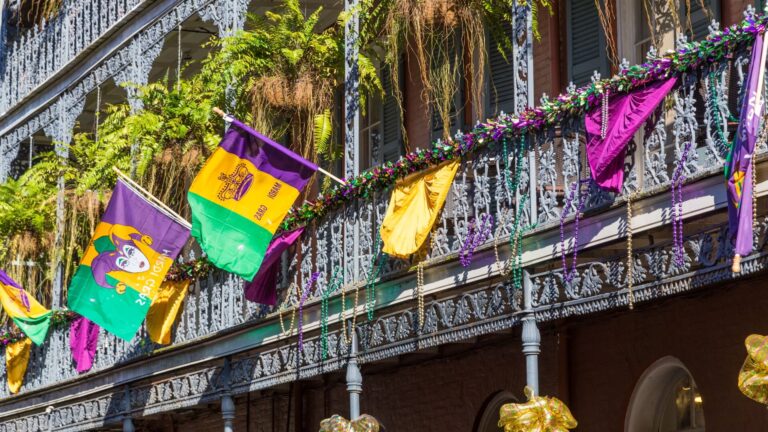
Case Continues Over Injuries Sustained During Mardi Gras Parade
Baldwin County Circuit Court Judge Scott Taylor ruled in favor of a Beasley Allen client and other members of the Gulf Shores High School Marching…
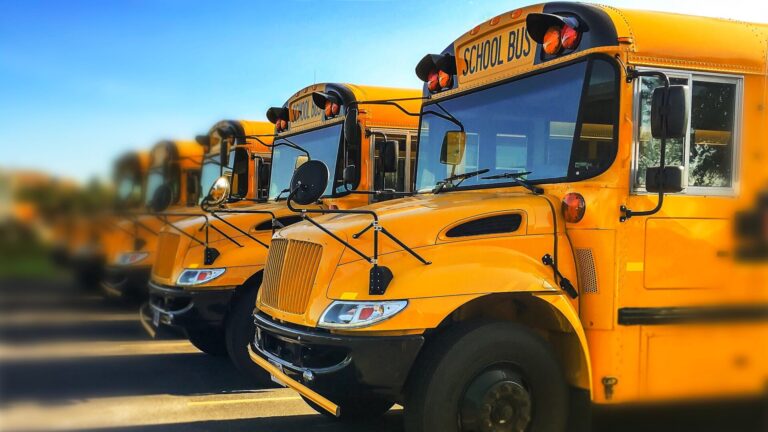
Settlement in Deadly School Bus Crash Reached by Beasley Allen and Others*
Beasley Allen’s Greg Allen and David Greene, of the Greene and Phillips Law Firm, secured a settlement for David Welch, the husband of Kim Welch,…
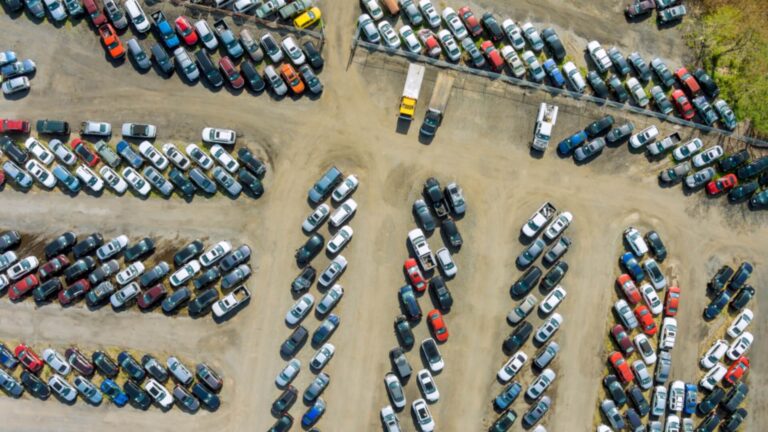
$4.25 Million Settlement for Pedestrian Client Injured in Auto Auction Lot*
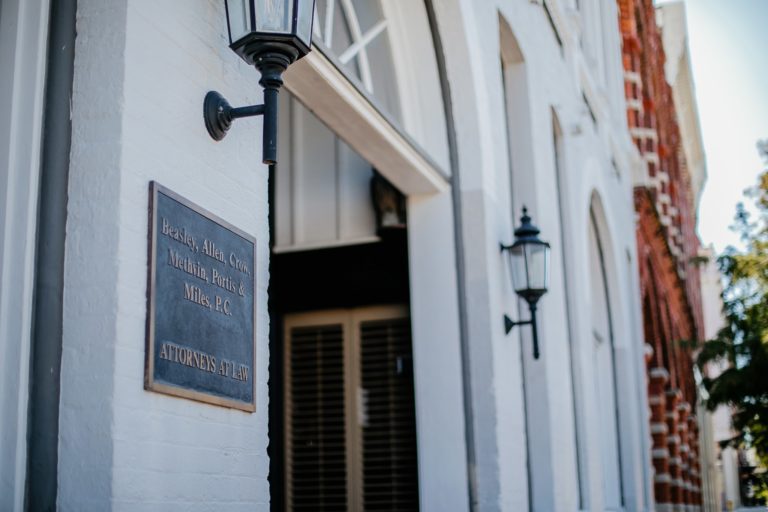
Fifteen Beasley Allen Lawyers Named to Lawdragon 500
Fifteen Beasley, Allen, Crow, Methvin, Portis & Miles, P.C. attorneys have been selected to the 2022 Lawdragon 500 Leading Plaintiff Consumer Lawyers list. Those named…
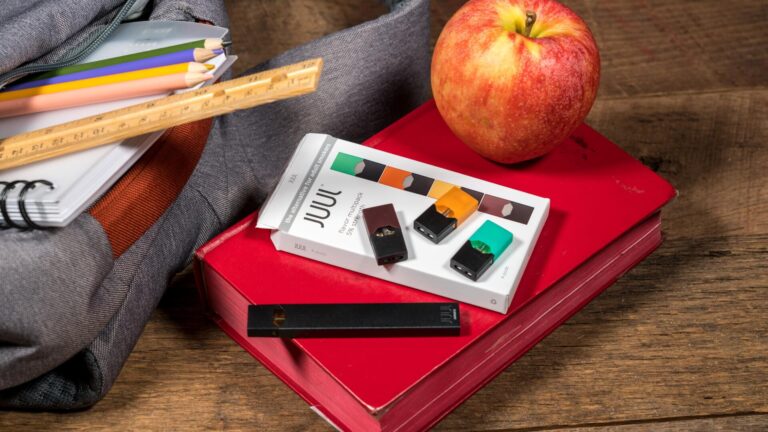
Our Joseph VanZandt Serves as Counsel for First Bellwether in JUUL MDL
Beasley Allen represents the plaintiff in the first bellwether trial in the JUUL multidistrict litigation, set to begin in June. The JUUL lawsuit involves the…
Atlanta Office Sees Rise in Post-COVID Premises Liability Cases
One specific area of premises liability litigation involves negligent security at large venues where crowds gather for events. Concerts, movies, theatrical performances, athletic events, conventions,…

Our Atlanta Lawyers Settle $19.5 Million Auto Product Liability Case
A group of personal injury lawyers in Beasley Allen’s Atlanta office recently settled an auto product liability case with an auto manufacturer, securing $19.5 million in…

Beasley Allen’s Georgia Lawyers Secure Multimillion Dollar Verdict*
A Georgia state jury awarded $4.25 million, subject to 49% apportionment, to the daughter of a man crushed to death by an M6 Avalanche street…
Beasley Allen Welcomes Fourth Circuit’s Upholding $40 Million Class Settlement
The Fourth Circuit Court of Appeals rejected one policyholder’s efforts to overturn a $40 million class action settlement, finding that the lower court in Maryland…

Beasley Allen Secures Over $1 Million in BJCTA Whistleblower Case*
The lawsuit involved alleged violations of the False Claims Act, which allows private individuals to bring lawsuits on behalf of the government against companies and…