Underlying Risks In Ultra-Processed Foods
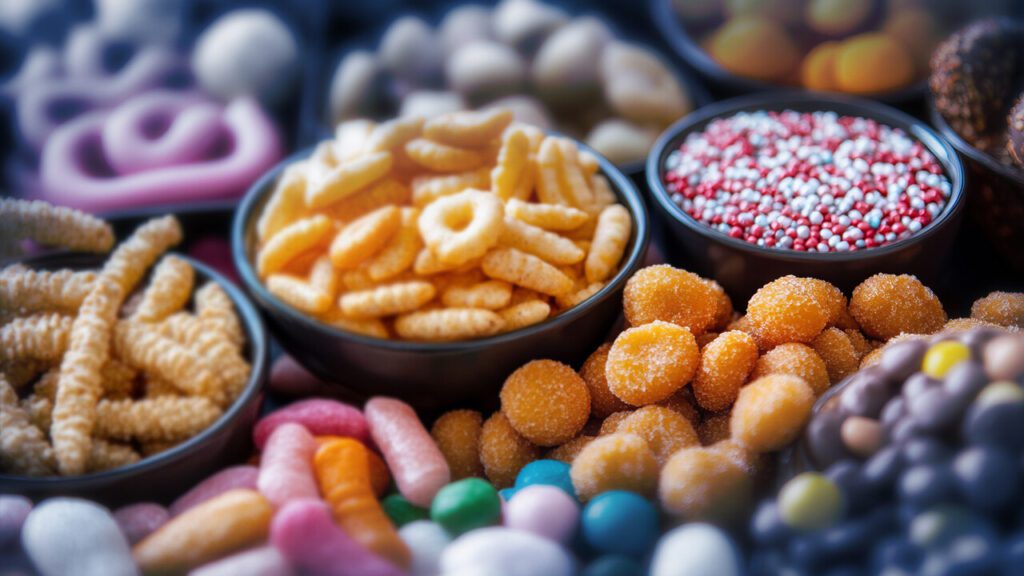
In today’s fast-paced world, convenience often trumps nutrition. From frozen dinners to prepackaged snacks, ultra-processed foods (UPFs) have become a staple in many households. These foods are designed to be quick, convenient, and hard to resist—but they often lack real nutrition and can carry serious health risks.
Alarmingly, many of these products are created by companies with a history in the tobacco industry, using their expertise to make foods that are not only addictive but also particularly appealing to children. Research has linked heavy consumption of ultra‑processed foods to conditions like type 2 diabetes and fatty liver disease, including in children and teens.
We are actively investigating cases where ultra-processed foods are linked to type 2 diabetes and NAFLD, especially in individuals diagnosed before age 18.

Understanding Ultra-Processed Food Health Risks
Ultra-processed foods come with significant health risks that shouldn’t be overlooked. Understanding these risks can help you make better choices for your health and well-being.
- Type 2 Diabetes: Research has shown that diets high in ultra-processed foods are associated with an increased risk of developing type 2 diabetes. These foods often contain high levels of added sugars and unhealthy fats, leading to rapid glucose spikes and insulin resistance.
- Non-Alcoholic Fatty Liver Disease (NAFLD): Studies indicate that higher consumption of ultra-processed foods is linked to an increased risk of NAFLD. These foods contribute to poor diet quality, high saturated fat intake, and insulin resistance, which are key factors in the development of NAFLD.
Concern For Kids
Ultra‑processed foods are everywhere—and many are marketed directly to children. While they may look fun and convenient, these foods are designed to keep kids coming back for more, often at the expense of their health. As UPFs crowd out healthier options, more children are facing serious health concerns.
The numbers are concerning. Obesity rates have doubled in adults and tripled in children, and type 2 diabetes—once rare in young people—has also sharply increased. Today, children get much of their daily calories from ultra‑processed foods. Conditions like fatty liver disease, once almost unheard of in kids, are now surprisingly common. These trends show why it’s so important for parents and caregivers to pay close attention to what children are eating.

Alarming Rise In Consumption
The real danger of ultra-processed foods (UPFs) lies not just in their nutrient content but in their very nature. Even those that seem healthier, with fewer calories or less sugar, can still pose significant risks due to their impact on the body.
Despite decades of evidence linking UPFs to public health crises, the food industry continues to market and sell them aggressively, prioritizing profits over the well-being of society. This has led to widespread chronic illnesses fueled by UPF diets.
- United States: Over 50% of the daily calories consumed by Americans come from ultra-processed foods. Shockingly, about 70% of the U.S. food supply consists of these foods.
- Global Trends: The consumption of ultra-processed foods is on the rise worldwide, driven by urbanization and industrialization. This increase is associated with higher rates of obesity, diabetes, and other health issues globally.
Frequently Asked Questions
Meet Our Ultra Processed Food Attorneys


Related News
Unmasking the Hidden Dangers of Ultra-Processed Foods
In today’s fast-paced world, convenience often takes precedence over nutrition. From frozen dinners to prepackaged…