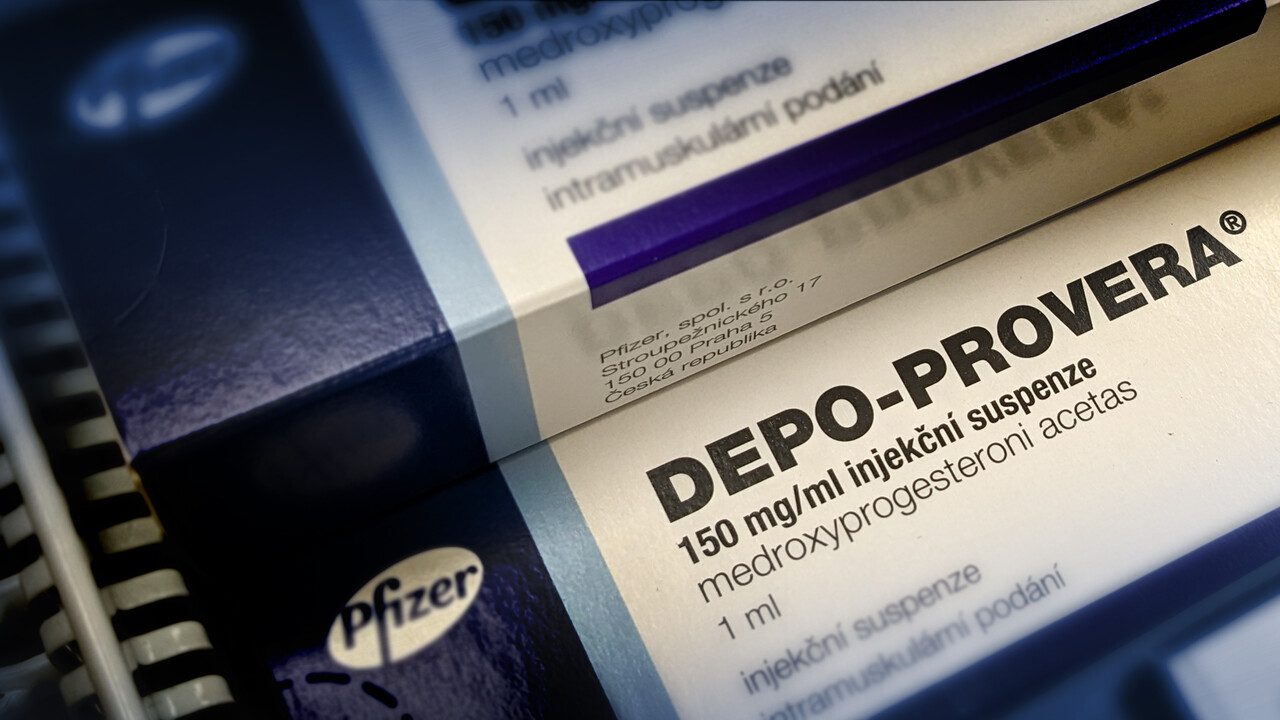
Depo-Provera’s Hidden Risks
Depo-Provera is a longacting hormonal birth control shot administered every three months, either deep into a muscle (intramuscular injection) or just under the skin (subcutaneous injection). First approved by the U.S. Food and Drug Administration (FDA) in October 1992, Depo-Provera quickly became a popular contraceptive option for women seeking a lowmaintenance alternative to daily pills. In 2004, the FDA approved DepoSubQ Provera 104, a lowerdose (104 mg) subcutaneous version.
Depo-Provera is manufactured by several major pharmaceutical companies, including Pfizer, Greenstone, LLC, Prasco Labs, Pharmacia & Upjohn Co. LLC, and Pharmacia LLC.
While many women have used Depo-Provera without immediate complications, growing medical evidence and international safety warnings have raised serious concerns about its longterm health risks—some of which are not fully disclosed on U.S. labeling.
FDA Black Box Warning
Depo-Provera carries an FDA black box warning—the strongest safety warning—advising it should not be used for more than two years unless no other birth control method is suitable. The warning is due to the risk of bone mineral density loss, which may not be fully reversible.
Despite this, some women are prescribed Depo-Provera for longer periods. While the U.S. label does not mention it, Canadian and European health authorities warn of a possible link between Depo-Provera and meningioma—a typically benign tumor that forms in the membranes covering the brain and spinal cord.
Recent studies suggest that intramuscular Depo-Provera injections may significantly increase the risk of developing meningiomas, especially with longterm use.
What Studies Have Found
Medical researchers have long known that progesterone and progestin hormones can stimulate meningioma growth. Many meningiomas contain progesterone receptors, meaning they can grow faster when exposed to these hormones.
Recent large studies have found that:
- Injectable Depo‑Provera users had a significantly higher risk of meningioma compared to people using other birth control methods or none at all
- The risk increases with longer use, especially after one year or more
- Oral forms of medroxyprogesterone showed lower or no increased risk, suggesting the injection poses a unique danger
These findings have led regulators and doctors to urge greater caution, especially for longterm users.

Meningiomas

Meningiomas are tumors that grow in the meninges. They are often considered benign, but they can still cause serious health problems. Because they grow slowly, symptoms may take years to appear.
Cerebral meningiomas grow around the brain and can press on brain tissue and blood vessels. They are usually diagnosed through brain imaging, such as MRI or CT scans. Treatment often requires brain surgery, which carries serious risks and long recovery times.
Common Symptoms Include:
- Persistent or worsening headaches
- Vision or hearing changes
- Seizures
- Weakness or numbness
- Problems with balance, memory, or concentration
New or worsening neurological symptoms should always be evaluated by a medical professional.
Depo-Provera FAQ‘s
Meet Our Depo-Provera Attorneys


Related News
Lawsuit Filed: Early Action in Dupixent Litigation
Beasley Allen has filed its first lawsuit involving Dupixent. Right now, only three law firms…

Ozempic Order Breakdown, The Latest In The Litigation
The latest in Case Management Orders (CMOs) for the Ozempic Litigation! Judge Karen Marston is overseeing…

Victory Against Company Selling Kids Suicide Chemical
Beasley Allen, along with its co-counsel C.A. Goldberg, PLLC, recently secured a win at the…

Blockbuster Diet Drugs Linked to Blindness
Diet drugs have skyrocketed in popularity and are no stranger to scary side effects. In…

Alabama Opioid Settlements: $728 Million & Climbing
The opioid epidemic swept across the United States, leaving a trail of addiction, overdose, and…

Alabama Reaches $220 Million Settlement with Opioid Distributors*
The State of Alabama has settled with two opioid distributors, resolving litigation for their roles…
New Lawsuits Filed Over Ozempic Side Effects
Many of us have come across advertisements for Ozempic, an FDA-approved injection used to treat…

Acetaminophen MDL Clients Get Favorable Ruling
U.S. District Judge Denise Cote in the Southern District of New York recently took significant…

Opioid multidistrict litigation, state cases updates
Lawyers in the opioid multidistrict litigation (MDL) debated in a hearing on Nov. 6 over…

School districts in three states file vaping lawsuits against JUUL Labs
Beasley Allen lawyers and co-counsel filed lawsuits on behalf of school districts in Kansas, Missouri,…
Beasley Allen sues JUUL for Ohio mother of addicted teen twins
Beasley Allen has filed a lawsuit against JUUL Labs on behalf of Rene Chaney, an…

New vaping law in effect in Alabama
The growing vaping epidemic has gained the attention of law and policymakers across the country….