After a major plane crash, families want answers. They want to understand what happened and whether the tragedy could have been prevented. Unfortunately, an aviation crash investigation is rarely quick.
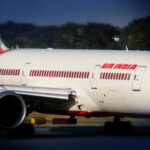
Recent disasters such as Air India Flight 171 and Jeju Air Flight 2216 show how complex these investigations can be. Even after early findings are released, investigators may spend months or years reviewing evidence before reaching final conclusions.
What Happens During an Aviation Crash Investigation?
Investigators begin collecting evidence as soon as possible. Their goal is to determine what caused the crash and identify any safety issues that may have contributed.
They often review:
- Aircraft wreckage
- Maintenance records
- Weather conditions
- Pilot training records
- Air traffic control communications
- Flight recorder data
Each piece of evidence helps investigators build a clearer picture of the accident.
Why Are Black Boxes Important?
One of the first priorities after a plane crash is recovering the aircraft’s black boxes.
These devices record flight data and cockpit conversations. They provide valuable information about what was happening before the crash.
However, black boxes are only one part of the investigation. Investigators must compare that information with evidence from the crash site, aircraft systems, and maintenance records.
Why International Investigations Take Longer
Some aviation accidents involve multiple countries, airlines, manufacturers, and government agencies.
When that happens, investigators must share evidence, review records, and coordinate across different organizations. This process can add significant time to an investigation.
That is one reason investigations involving Air India Flight 171 and Jeju Air Flight 2216 may take months or even years to complete.
Why Thorough Investigations Matter
A thorough aviation crash investigation can lead to important safety improvements.
The findings may result in aircraft modifications, updated safety procedures, better training, or stronger safety standards. These changes help reduce risks and improve air travel safety.
For families affected by an aviation disaster, the waiting can be difficult. But a careful investigation is often the best path to answers, accountability, and safer skies for future passengers.
For more updates and recent interviews related to Air India and Jeju, click here.
-
 Mike AndrewsPrincipalMontgomery, AL
-
 Soo Seok YangPrincipalMontgomery, AL