Articles
Stay up to date with our latest wins, case updates, and firm achievements.

Beasley Allen Helps Secure $700,000 Verdict for Victim of Distracted Driving-Related Crash*
Beasley Allen principal Mike Crow helped secure a $700,000 jury verdict for a mother of five involved in a serious traffic accident on I-65 in…

Beasley Allen Attorneys Named 2021 Mid-South Super Lawyers and Rising Stars
Beasley Allen is proud to announce 23 firm lawyers received special recognition by Super Lawyers rating service for the 2021 Midsouth Region, which includes Alabama,…

Beasley Allen Atlanta and Lamar Law Office File Lawsuit Against West End Church
Beasley Allen Atlanta’s principal Parker Miller and Anita Lamar of the Lamar Law Office have filed a lawsuit against West End Family Life and Community…

Beasley Allen Announces Boeing Agreement in Ethiopian Airlines Crash Litigation
Beasley Allen’s Mike Andrews represents the family of Juliah Mwashi, a victim of the Boeing MAX Ethiopian Airlines crash, and worked with the Plaintiff’s Litigation…

Beasley Allen Files Lawsuit on Behalf of Family of Processing Plant Worker Killed on the Job
Beasley Allen attorney Kendall C. Dunson filed a lawsuit against Koch Foods of Alabama on behalf of the family of a line worker who was…

Daycare Hit With Wrongful Death Lawsuit Following Death of Infant
Beasley Allen’s personal injury attorney Kendal Dunson filed a wrongful death lawsuit in the Circuit Court of Montgomery County, Alabama, on behalf of the parents…

Court Approves $28 Million Settlement for US Financial Life Insurance Policyholders*
Ohio federal District Judge Matthew W. McFarland gave final approval to a $28 million settlement agreement between US Financial Life Insurance Company and a class…

Beasley Allen Hired to Represent Family of Dekalb County Georgia Plane Crash Victim
Beasley Allen’s Mike Andrews has been hired by the family of one of the victims killed in the fiery plane crash at DeKalb-Peachtree Airport in…

Atlanta Office Files Suit Against Apartments For Clients After Mother Gunned Down
Apartment complex residents and their visitors don’t expect to have their lives cut short randomly by gun violence, yet that is what happens all too…
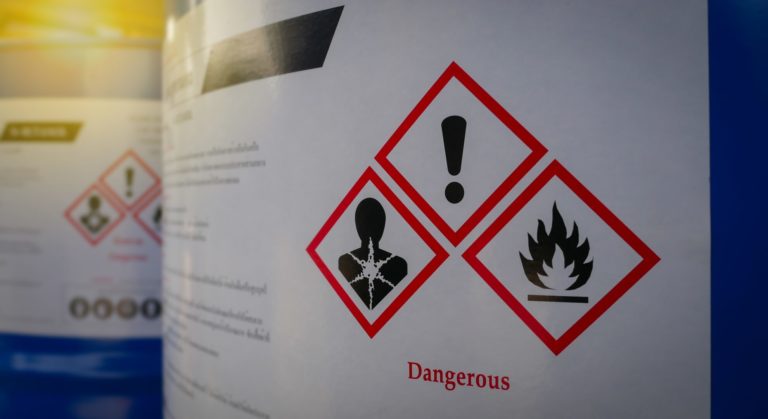
Beasley Allen Investigates Toxic Exposure Death at Daikin Plant
Will Delashaw didn’t have to die. The 33-year-old man was hospitalized with a severe lung injury after being exposed to a mysterious chemical on July…

Beasley Allen Atlanta Lawyer Settles Truck Accident Claim Before Lawsuit*
It’s no surprise that the trucking industry is bound to some of the nation’s strictest regulations and standards. Given their size and weight and their…

Our Consumer Law Attorney Supports Fed’s Take on CAA Preemption
The federal government’s take on the Clean Air Act (CAA) regarding preemption will likely impact whether the U.S. Supreme Court grants a certiorari petition from…

Beasley Allen Earns Six-Figure Verdict in Wrongful Death of Nursing Home Resident*
A Wilcox County, Alabama jury found a local nursing home responsible for the death of Mr. Colvin Towns, Sr. Darrell Towns, the decedent’s son, hired…
Beasley Allen Hired by Family of Man Seriously Injured From Chemical Exposure at Daikin America Plant in Decatur
Will Delashaw, an employee at Daikin America Inc.’s Decatur, Ala. plant, is in the intensive care unit at the University of Alabama at Birmingham with…

$142 Million Award from California HRT Class Action to Support Research to Improve Women’s Health
The Beasley Allen Firm is pleased to announce their involvement in an exciting program that will fund cutting-edge research at six prestigious California medical institutions. …
Best Lawyers Recognizes Beasley Allen Lawyers as Among the Best in America
Best Lawyers, the oldest and most respected peer-reviewed publication in the legal profession, recognized 28 Beasley Allen attorneys for their outstanding professional excellence in private…

Beasley Allen Sees Link Between Gun Violence and Negligent Security Claims
Like many cities across the country, Atlanta is experiencing a surge in homicides amid the COVID pandemic, with the rate of violent crime up 60%…
Beasley Allen Recognized as ‘Best of the Best’ Law Firm in Montgomery
Beasley Allen Law Firm has been named the Best Law Firm in Montgomery County in the Montgomery Advertiser’s 23rd annual Official Community Choice Awards, the…