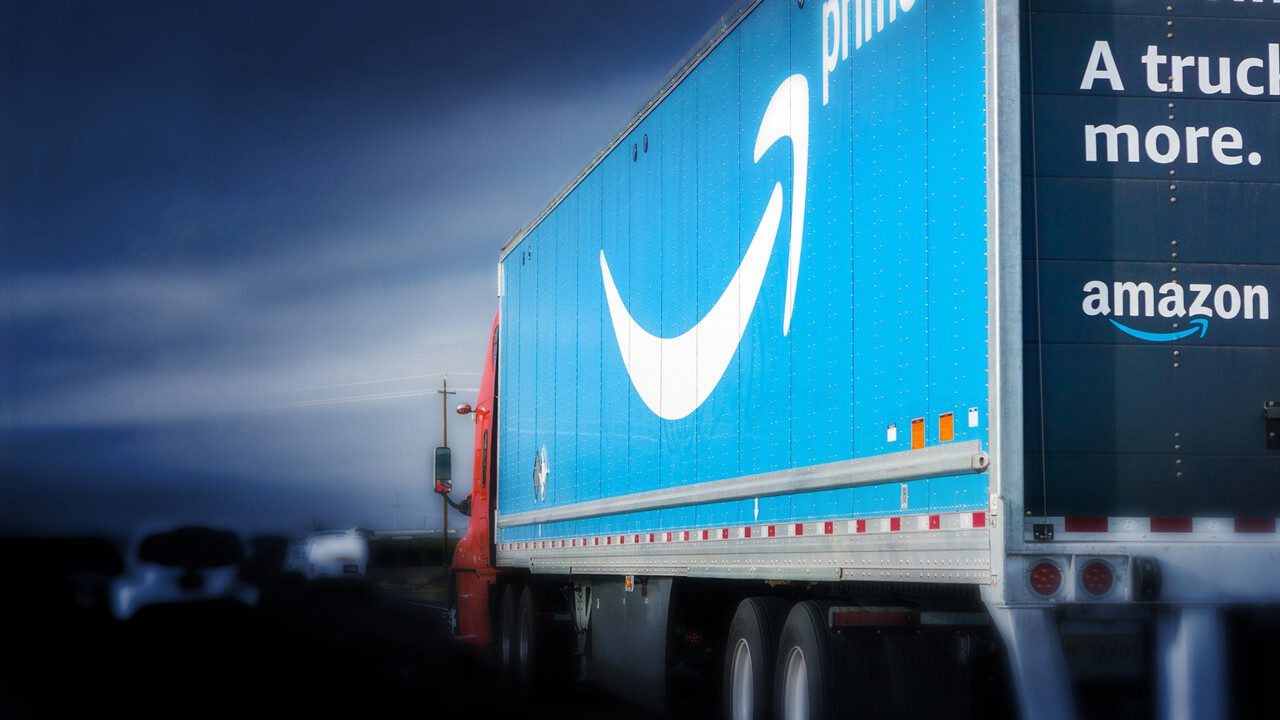
A new wrongful death lawsuit filed by Chris Glover alleges that safety failures within Amazon’s delivery and logistics system played a role in a devastating tractortrailer crash that killed David Jeffrey Huggins and left multiple vehicles burning on a Tennessee interstate.
The lawsuit was filed on behalf of Heather Marie Huggins, David’s wife, who is now seeking answers—and accountability—for a crash that her family says never should have happened. The case names Amazon and the truck driver as defendants and was filed in Broward County Circuit Court.
A Normal Drive Turns Deadly
On May 11, 2025, traffic slowed in the northbound lanes of Interstate 75 in East Ridge, Tennessee—a routine backup on a busy highway. Drivers slowed and stopped as they often do, expecting the flow of traffic behind them to follow.
One truck did not.
A tractortrailer hauling Amazon freight barreled forward at highway speed, never slowing as traffic ahead came to a stop. The impact set off a violent chainreaction crash, slamming multiple vehicles together and igniting fires across the roadway.
David Jeffrey Huggins was one of the drivers caught in the collision. He was driving his Ford F150, obeying traffic laws, when the crash unfolded around him. He was killed at the scene.
Investigators later determined that the truck driver had been driving erratically before the crash and failed to brake, despite clear daylight conditions, dry pavement, and open visibility. The driver has since been criminally indicted on multiple charges, including vehicular homicide.
What began as an everyday drive ended in irreversible loss—one more family changed forever by a crash that didn’t have to happen.
A Broader Look at Amazon’s Delivery System
The crash did not happen in a vacuum. It unfolded within a delivery system built around speed, rigid schedules, and relentless deadlines—one that placed enormous pressure on how freight is moved and who is trusted to move it. Amazon tightly controlled the movement of its shipments, dictating when loads were picked up, how they were routed, and how quickly they were expected to arrive, while relying on trucking companies that were unequipped to operate safely under those demands.
Despite having access to federal safety data, Amazon continued to allow motor carriers with known safety problems to haul its freight. Those warning signs were visible well before this crash, yet the system allowed unsafe trucks to remain on public highways, sharing the road with families just trying to get home.
One of those carriers was Valparaiso Trucking Corp. In the months leading up to the collision, the company accumulated safety violations that revealed ongoing risks. Those risks ultimately became reality on Interstate 75—where routine delivery pressure turned into a violent, lifeending crash.
Why Trucking Lawsuits Matter
Large commercial trucks can weigh up to 80,000 pounds, and when something goes wrong, the results are often catastrophic. This lawsuit seeks to expose how delivery pressure, poor oversight, and unsafe trucking practices can come together—with deadly consequences for everyday drivers. Families sharing the road should not pay the price for corporate delivery shortcuts.
At its core, the lawsuit is about responsibility—who is accountable when decisions made far from the highway put dangerously large trucks on public roads.
Beasley Allen represents families across the country who have lost loved ones in preventable trucking crashes. These cases are not about speed or efficiency; they are about safety, accountability, and protecting lives. When delivery deadlines outweigh human lives, families deserve answers—and when safety failures lead to tragedy, companies must be held responsible.
-
 Chris GloverManaging Attorney (Atlanta)Atlanta, GA
Who Else May Be Liable After a Truck Accident?October 5, 2026

Beasley Allen Expands Trucking Team Across Multiple OfficesSeptember 28, 2026