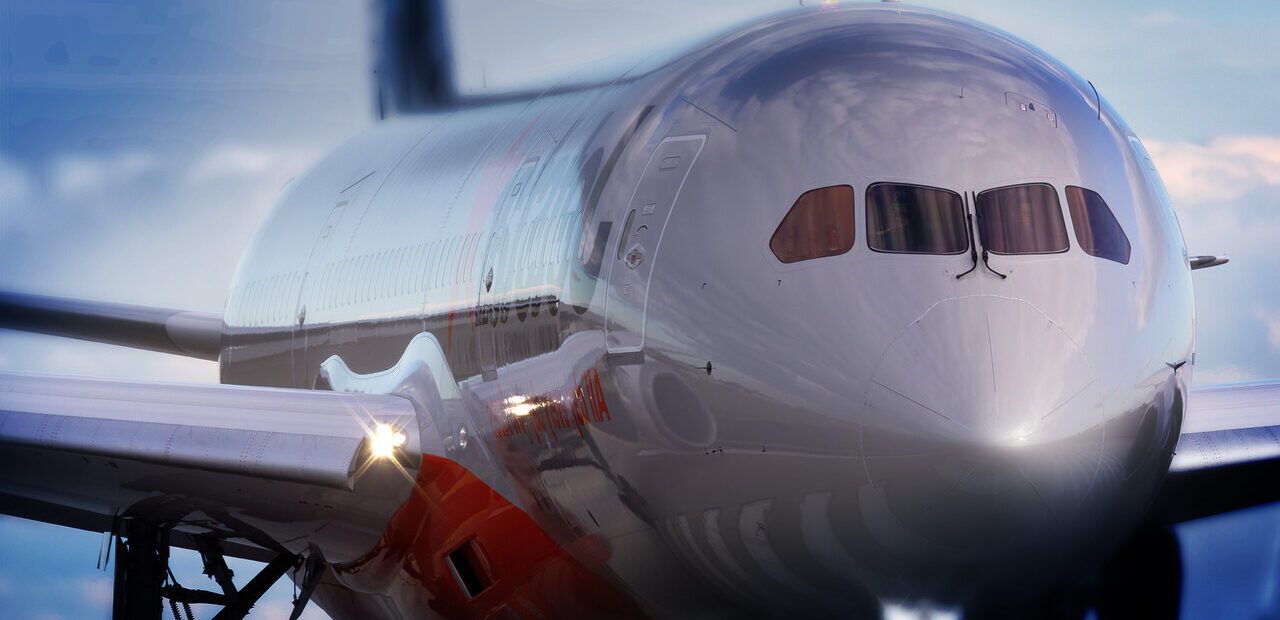
The Federal Aviation Administration (FAA) has issued a safety directive affecting certain Boeing 787 Dreamliner aircraft after identifying risks tied to water leaks that could damage critical onboard electronics. Airlines worldwide, including Air India, are now required to make permanent hardware upgrades to address the issue.
What Is the FAA Warning About?
The FAA’s directive applies to Boeing 787‑8, 787‑9, and 787‑10 aircraft. Investigators found that water leaks from lavatory faucet control modules could go undetected during flight. In some cases, leaking water can travel beneath the cabin floor and enter electronic equipment bays.
This is concerning because modern aircraft rely heavily on electronic systems for navigation, communication, and flight control. Water intrusion in these areas can lead to the failure of multiple electronic components and, in severe situations, could affect an aircraft’s ability to continue safe flight and landing.
From Inspections to a Permanent Fix
Earlier FAA guidance required airlines to perform repeated inspections under lavatory sinks to check for leaks and take corrective action if problems were found. However, the FAA has now determined inspections alone are not enough.
The updated directive mandates replacing affected faucet control modules with a redesigned part that is not susceptible to leaking. This hardware replacement is intended to permanently eliminate the risk, rather than relying on ongoing monitoring.
Airlines Begin Making Changes
Air India, which operates dozens of Boeing 787 aircraft, has begun modifying its fleet to comply with the FAA’s order. Other airlines operating Dreamliners globally are expected to do the same to meet federal safety requirements.
Neither Boeing nor individual airlines have publicly disclosed full timelines for completion, but compliance with FAA airworthiness directives is mandatory for continued operation.
Water leaks may sound minor, but in commercial aviation they can have serious consequences. Electronic systems are tightly packed and interconnected, meaning a single failure can cascade into larger system issues. The FAA’s action highlights how design defects—if not addressed—can put passengers and crew at risk.
Standing With More Than 140 Families
Beasley Allen is currently representing more than 140 families affected by the Air India Flight 171 tragedy. Our team is working closely with loved ones from around the world who are searching for answers, accountability, and a path forward after an unimaginable loss.
Led by nationally recognized aviation accident attorney Mike Andrews, our aviation team has decades of experience handling complex aviation cases. Just as important, we understand the human side of these cases—the grief, uncertainty, and need for clear information during an incredibly difficult time.
For families who lost someone on Flight 171, every new development matters. Each update reinforces why it’s so important to ask tough questions and demand honest answers. As the investigation continues, Beasley Allen remains committed to advocating for the families we represent and closely monitoring every development
For more Air India updates and recent interviews, click here.
-
 Mike AndrewsPrincipalMontgomery, AL


Air India Flight 171: New Safety Concerns EmergeJanuary 21, 2026

A Pattern of Blame: Boeing Faces New AccusationsJanuary 7, 2026