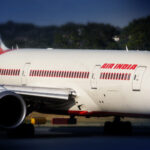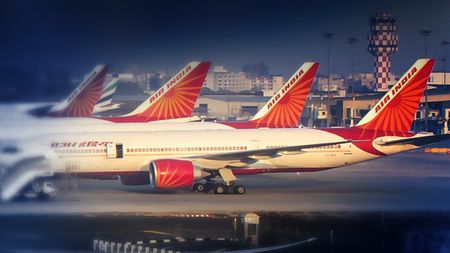
The investigation into the deadly crash of Air India Flight 171 is still ongoing as families search for answers and accountability. The June 12, 2025, crash, involving a Boeing 7878 Dreamliner, became one of the world’s deadliest aviation tragedies in decades and has raised serious concerns about aircraft systems, safety procedures, and oversight.
At the same time, new safety incidents involving Boeing aircraft, including a recent electrical scare that grounded a United Airlines Boeing 7879, are renewing public focus on aircraft design, maintenance, and regulatory responsibility.
Air India Flight 171 Crash: What We Know So Far
Air India Flight 171 took off from Ahmedabad, India, heading to London Gatwick, but crashed less than a minute after departure. The Boeing 7878 struck a nearby medical college building, killing nearly everyone onboard and people on the ground. The aircraft was destroyed.
What investigators have confirmed so far:
- The flight data recorder and cockpit voice recorder (“black boxes”) were recovered and are being reviewed.
- India’s Aircraft Accident Investigation Bureau (AAIB) says both engines lost power shortly after takeoff.
- The preliminary report does not assign blame and follows international aviation safety standards.
As the investigation continues, families of those killed are calling for transparency and accountability. For many, answers are not just about closure—they are about preventing another tragedy like Air India Flight 171.
Questions On Boeing 787 Safety
Concerns over aircraft safety go beyond Air India Flight 171. In April 2026, a United Airlines Boeing 7879 Dreamliner was grounded after passengers and crew reported a strong electrical odor during flight. The plane turned back and landed safely after an emergency call.
United Airlines confirmed the incident involved a maintenance issue, though the exact cause has not been publicly disclosed. The aircraft had been delivered only months earlier.
While the incidents are unrelated, they have increased questions about electrical systems, aircraft reliability, and whether current safety measures go far enough.
Why These Incidents Matter
Commercial aviation depends on strict safety standards, strong oversight, and clear accountability. When crashes or serious inflight emergencies occur, passengers and families deserve honest answers about:
- Aircraft design and manufacturing
- Maintenance and inspection practices
- Regulatory oversight
- Corporate responsibility
Unresolved questions can point to the need for industrywide improvements, not just individual fixes.
Beasley Allen’s Commitment to Aviation Accountability
Beasley Allen has a long history of representing families affected by catastrophic transportation accidents, including aviation disasters. Our attorneys are committed to uncovering the truth, holding responsible parties accountable, and helping families navigate the legal process during an incredibly difficult time.
The investigation into Air India Flight 171 remains ongoing. As regulators continue their work, families and the public are watching closely for findings that could impact aviation safety worldwide. When companies put profits ahead of safety, accountability matters.
Beasley Allen will continue to monitor developments and advocate for transparency, safety, and justice for those affected.
For more Air India updates and recent interviews, click here.
-
 Mike AndrewsPrincipalMontgomery, AL