Amusement parks, go‑kart tracks, and other recreational venues are meant to be fun, family‑friendly places. Parents trust these businesses to protect children and operate rides responsibly. When a child is injured, that trust is shaken. Families may suddenly face medical bills, missed school, and questions about what went wrong and what to do next.
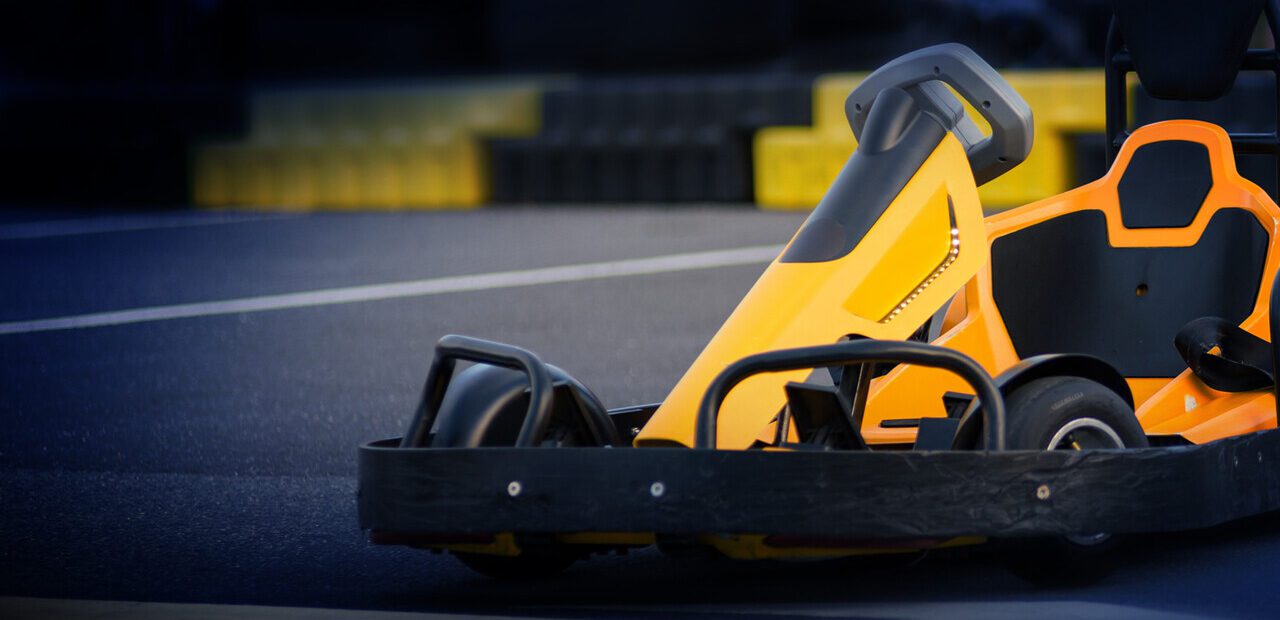
Attorneys in Beasley Allen’s Mobile office recently filed a negligence lawsuit on behalf of a minor who was injured while riding a defective go‑kart at a recreational facility. The case shows how dangerous these attractions can be when rides are not properly designed, inspected, or maintained.
How Amusement Park Injuries Happen
When a child is hurt at an amusement park or similar venue, the case often involves negligence. Negligence means the business failed to take reasonable steps to keep people safe.
In these cases, families may claim the park failed to:
- Properly maintain rides or equipment
- Fix known safety problems
- Train or supervise employees
- Enforce safety rules or age and height limits
- Warn families about known risks
Because amusement parks invite the public and make money from visitors, Alabama law generally requires them to keep their property and attractions reasonably safe.
Children Are Treated Differently Under the Law
Injury cases involving children are not handled the same way as cases involving adults. Alabama courts recognize that children do not fully understand danger and may act impulsively—especially in exciting places like amusement parks.
Courts often consider whether the business took steps that were appropriate for children, such as:
- The child’s age, size, and abilities
- Whether the ride was meant for kids
- Whether the danger was predictable
- Whether safety measures were in place
If an attraction is marketed to families or children, the business may be held to a higher safety standard.
Do Liability Waivers Prevent a Lawsuit?
Many amusement parks use liability waivers. These are often signed online, printed on tickets, or included with wristbands. Parks use them to try to avoid responsibility when someone is hurt.
However, liability waivers do not always protect a business—especially when a child is injured.
Under Alabama law, waivers that try to excuse negligence are closely reviewed by courts. While waivers may sometimes apply to adults, they are much harder to enforce against children. Alabama courts are often skeptical that a parent can give up a child’s future right to seek compensation for an injury.
Representing Injured Children and Families
For decades, Beasley Allen has represented injured children and families, holding companies accountable when safety failures cause harm. We understand the unique legal issues involved when minors are injured and are committed to helping families pursue answers, accountability, and justice.
-
 Evan AllenPrincipalMobile, AL

$13.8 Million Verdict in Clayton County Med Mal Trial*March 25, 2026

$2.65 Million Settlement Secured After Deadly Dauphin Island Crash*November 24, 2025

$1.5 Million Personal Injury Settlement*November 17, 2025