CAPITOL OBSERVATIONS
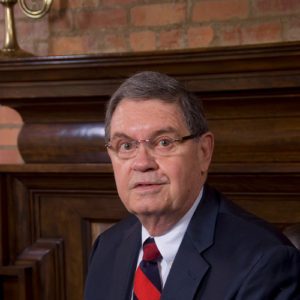
Gibson Vance Honored With Southern Trial Lawyers Association’s War Horse Award
Beasley Allen is proud to announce that Gibson Vance has been named a recipient of the Southern Trial Lawyers Association’s War Horse Award—one of the organization’s most prestigious honors.
The War Horse Award is presented annually by the Southern Trial Lawyers Association (STLA) in recognition of extraordinary contributions to the cause of justice by an acknowledged leader of the trial bar. The honor is reserved for attorneys who demonstrate outstanding skill as trial advocates, as well as a longstanding commitment to advancing trial advocacy, mentoring fellow lawyers, and strengthening the civil justice system.
Gibson has built a distinguished career advocating for individuals and small businesses harmed by corporate misconduct and fraud. Since joining Beasley Allen more than two decades ago, he has played a key role in high‑stakes litigation, earning respect nationwide for his courtroom skill, strategic leadership, and unwavering commitment to accountability. His work reflects the defining qualities of a War Horse honoree—discipline, integrity, and relentless dedication to justice.
Beyond his trial practice, Gibson has been nationally recognized as a leader within the trial‑law community. He has served in leadership roles with major professional organizations, including past service as president of the American Association for Justice and the Alabama Association for Justice. Gibson has fostered collaboration across the trial bar throughout the United States. His influence extends beyond individual cases, helping shape advocacy efforts that protect access to the courts and preserve the rights of people.
The Southern Trial Lawyers Association created the War Horse Award to honor attorneys who are not only exceptional courtroom advocates, but also true leaders of their time—lawyers who give generously of their knowledge, energy, and resources to advance justice for others. Gibson’s career embodies that mission.
Beasley Allen congratulates Gibson on this well‑deserved recognition, which reflects both his individual achievements and the firm’s enduring mission of helping those who need it most.We are blessed to have Gibson with us.
TALC LITIGATION
Back‑to‑Back Baby Powder Verdicts
Beasley Allen has secured another landmark verdict in the Johnson & Johnson litigation. A Philadelphia jury returned a verdict of $250 thousand in a talc‑ovarian cancer trial involving claims that years of using Johnson & Johnson’s talc‑based Baby Powder and body powders led to a devastating cancer diagnosis.
The verdict follows another recent jury result involving Johnson & Johnson’s talc products—adding to what has become a back‑to‑back run of baby powder verdicts as courts across the country continue weighing evidence about talc use and cancer risk.
A Mother’s Story: “She Used It for Years. Then Came the Diagnosis.”
At the heart of the case was Gayle Emerson, a longtime resident of York, Pennsylvania. She used talc‑based powders for feminine hygiene for more than over 45 years (15 years before hysterectomy), and she was diagnosed with ovarian cancer in 2015 at the age of 64. Ms. Emerson tragically passed away in November 2019, but her daughter and son continued the case as administrators of her estate.
For many families, the most difficult part of ovarian cancer isn’t just the diagnosis—it’s the feeling that it could have been prevented if the risks had been made clear. That’s what this trial was about.
What the Jury Heard
The Emerson family’s claims included strict liability design defect and failure to warn, and negligence, focusing on whether Johnson & Johnson manufactured and marketed a dangerous product and whether J&J adequately warned consumers about potential risks associated with long‑term genital use of talc‑based powders. Jurors also heard testimony and saw evidence about:
- The alleged connection between genital talc use and ovarian cancer reported in medical literature over decades;
- Concerns raised in recent scientific evaluations, including an updated classification by the International Agency for Research on Cancer (IARC) describing cancer risk from genital talc use as “probable”;
- Findings reported in a May 2024 study published in the Journal of Clinical Oncology noting a more than doubling of the risk of ovarian cancer among women who used talcum powder in their 20s and 30s, Ms. Emerson’s primary time period of exposure; and
- Research describing how talc particles applied to the genital area may migrate and contribute to inflammation and malignancy
This verdict arrives as talc litigation continues to play out nationwide. Thousands of ovarian cancer lawsuits have been filed in state courts across the U.S., and tens of thousands of claims are currently consolidated in federal proceedings in New Jersey.
Beasley Allen Won’t Back Down
For more than a century, Johnson & Johnson marketed talc-based products as safe, even for infants. Yet test results demonstrated the presence of asbestos in Johnson’s Baby Powder dating back to the 1960s and epidemiological studies have found a link between talcum powder and ovarian cancer since the early 1980s.
Beasley Allen became involved in talcum powder litigation after epidemiological studies confirmed the association between genital talc use and ovarian cancer. We tried the first case in St. Louis, Missouri. Over the past decade, Beasley Allen lawyers have tried cases nationwide, in an effort to secure justice for women harmed by talc exposure. With J&J’s third bankruptcy attempt now dismissed, Beasley Allen remains committed to fighting in court until every affected woman receives the justice and compensation she deserves.
Beasley Allen Talc Litigation Team
The ongoing battle with Johnson & Johnson (J&J) continues. It’s important to note that Beasley Allen took on J&J in the very beginning. I tried the first case in St. Louis in 2016. We will continue to battle J&J on every front and will do so as long as necessary. While J&J’s three fraudulent bankruptcy attempts delayed justice for thousands of victims, our lawyers have not backed down. Beasley Allen lawyers will continue to fight this battle in the right way and for the right reason to the very end. Justice will ultimately be served for the thousands of J&J victims and their families.
Beasley Allen lawyers Leigh O’Dell and Ted Meadows head our Talc Ovarian Cancer Litigation Team. From the beginning, the litigation team has been directly involved in all phases of the talc litigation. Andy Birchfield, who heads up our Mass Torts Section, has been out front in all aspects of this litigation, including the trials. Andy actually became J&J’s primary target. He has been attacked by this huge, powerful company constantly. J&J has tried very hard to intimidate Andy and our firm, but their efforts have not worked and will not work in the future.
This has been a tough battle, but it is a critically important and necessary one. Rest assured, our lawyers will not back down. Beasley Allen will continue its battle with J&J, and our clients’ best interests are at the top of our list of priorities.
The following Beasley Allen lawyers are members of the Talc Litigation Team:
Leigh O’Dell, Ted Meadows, Kelli Alfreds, Ryan Beattie, Beau Darley, David Dearing, Liz Achtemeier, Jennifer Emmel, James Lampkin, Caty O’Quinn, Cristina Rodriguez, Brittany Scott, and Matt Teague.
CAMP LEJEUNE LITIGATION
An Update On Camp Lejeune Litigation
From February 2023 through January 16, 2026, a total of 3,715 Camp Lejeune Justice Act (CLJA) complaints were filed in the Eastern District of North Carolina, with 148 dismissed, and thousands still pending before the court. Administratively, the Department of the Navy has received over 408,000 claims, with about 187,000 containing at least one supporting document and roughly 13,600 meeting initial criteria for possible settlement under the Elective Option, though progress depends on timely submission of medical and service related proof.
Plaintiff Leadership Group (PLG) and the Department of Justice (DOJ) continue to work toward agreements on trial frameworks and stipulations to streamline litigation, but several disputes unfortunately remain unresolved. Crucial motions have been filed by both parties, including dozens of Daubert challenges and summary judgment motions on causation, methodologies, burden of proof standards, and illness specific disputes covering bladder cancer, kidney cancer, Parkinson’s disease, leukemia, and NonHodgkin’s lymphoma.
Additional discovery issues include delays and disagreements about producing updated damages information, offsets, and access to digitized Marine Corps muster roll records, which required negotiation of a Third Amended Protective Order. This Order remains contested as the DOJ has requested that PLG agree to producing these muster rolls back to the government in ESI compliant format, which is inconsistent with the parties’ current agreement. If this issue remains unresolved, PLG will continue forward with its motion to compel the muster rolls.
Discovery has moved through some major phases: expert depositions for water contamination (Phase I), general causation (Phase II), and specific causation issues (Phase III) have been completed. Expert discovery related to damages and offsets is still ongoing. The DOJ has also continued updating offset datasets from agencies such as the VA, TRICARE, and Medicare, noting the need for periodic supplementation before trial.
Both sides detail disputes over appropriate supplementation deadlines for medical records and expert materials, as the DOJ emphasizes the need for final, complete records before trial while PLG notes that plaintiffs’ medical conditions continue to evolve and updates should proceed under normal Fed. R. Civ. P. 26(e) standards.
Several pending motions remain before the court, including PLG’s request to expedite Track 1 bellwether trials and reserve admissibility rulings, the DOJ’s opposition urging the court to first resolve threshold issues on water contamination and general causation, and multiple motions to strike or exclude expert testimony for alleged methodological flaws or untimely supplementation.
The parties continue to disagree over the sequencing of discovery for Track 2 injuries as well, with the DOJ proposing resolution of general causation first to avoid unnecessary individualized discovery. PLG has taken this proposal into consideration but has not yet responded.
Beasley Allen Camp Lejeune Litigation Team
The following Beasley Allen lawyers are members of our Camp Lejeune Litigation Team: Jeff Price, Ryan Kral, William Sutton, Tucker Osborne, Elizabeth Walden, Travis Chin, Saima Khan, Wesley Merillat, Miland Simpler, Khadiga Carr, Will Jones, Connor Chase, Sarah Grace Strength, and Rylee Buzbee.
Rhon Jones, who heads our Toxic Torts Section, is heavily involved in all aspects of the litigation, including serving on the Resolution Committee. Rhon is also in leadership as a member of the Plaintiff’s Executive Committee.
The lawyers on our litigation team are available and will be honored to work with other lawyers on a claim. They will also be available to answer any questions you may have about the litigation.
SOCIAL MEDIA LITIGATION
Social Media Addiction/Personal Injury Litigation Update – TikTok And Snapchat Settle; First Bellwether Trial Moves Forward Against Meta And YouTube
The first Bellwether trial in the landmark social media litigation began in January in the Judicial Council Coordinated Proceedings (JCCP) in the Los Angeles Superior Court, before Judge Carolyn B. Kuhl. This first trial is brought by K.G.M., a minor, claiming that defendants’ platform features contributed to psychological harm.
Just days before jury selection began on January 27th, Defendant Snapchat reached a settlement with the plaintiff. Shortly thereafter, on the eve of jury selection, Defendant TikTok also settled. The settlement amounts remain confidential. The trial is now proceeding against Defendants Meta and YouTube. These settlements do not resolve the remaining cases filed in the JCCP nor the MDL, and claims against those defendants will continue to move forward.
This trial, which is critically important and highly significant, is scheduled to go until March 20. It’s being watched by folks all over the country. Eight additional Bellwether plaintiffs are scheduled for consecutive trials following this first case.
Thousands of cases are currently filed in the JCCP in California state court, with additional cases pending in the Multi-District Litigation (MDL) in the Northern District of California, Oakland Division. While the MDL has not yet set trial dates for personal injury cases, the first school district trial is scheduled to begin in the Summer of 2026.
Plaintiffs are represented by Mark Lanier and Rachel Lanier of Lanier Law Firm, Beasley Allen lawyer Joseph VanZandt, Mariana McConnell of Kiesel Law, and Rahul Ravipudi of Panish Shea Ravipudi.
Lawyers at Beasley Allen continue to pursue claims on behalf of individuals arising out of their addiction to the Defendant Social Media Platforms, including Facebook, Instagram, Snapchat, TikTok, and YouTube. Injuries include, but are not limited to, depression, anxiety, eating disorders, suicidal ideation, etc. Additionally, we are representing school districts for expenses they have incurred due to problems related to their students’ social media addictions.
Social Media Companies’ Efforts Denied To Exclude Expert Witnesses
U.S. District Judge Yvonne Gonzalez Rogers, the California federal judge overseeing multidistrict litigation over alleged social media harms to children’s mental health, has denied efforts by Meta, TikTok, Google, and Snapchat to exclude six expert witnesses from a bellwether trial involving a Kentucky school district.
The judge ruled that most of the companies’ objections go to the weight of the evidence, not its admissibility, and can be addressed through cross-examination. She allowed testimony from experts on lost classroom time, increased school costs, student mental health impacts, and mitigation strategies. However, she limited portions of one education expert’s testimony that strayed beyond his expertise or ventured into legal conclusions.
The experts include a market researcher who surveyed teachers about instructional time lost to student social media use, an economist and forensic accountant who calculated districts’ wasted staff time and out-of-pocket costs, and a licensed psychologist who will testify about the effects of social media on school environments and student well-being. Judge Gonzalez Rogres rejected arguments that the surveys were unreliable, too general, or not representative, and said retrospective surveys are permissible.
This ruling clears the way for school districts to present expert evidence supporting their theory that the defendants’ platform designs caused widespread disruption and financial strain on public schools. The judge also indicated the first bellwether trial could be split into liability and punitive-damages phases and scheduled a separate August trial on federal privacy claims brought by 29 state attorneys general against Meta.
The states are represented by Megan O’Neill of the California Department of Justice and Krista Batchelder of the Colorado Department of Law, among others.
The personal injury plaintiffs and school district plaintiffs are represented by Lexi J. Hazam of Lieff Cabraser Heimann & Bernstein LLP, Previn Warren of Motley Rice LLC, Michael M. Weinkowitz of Levin Sedran & Berman LLP and Melissa L. Yeates of Kessler Topaz Meltzer & Check LLP.
The federal bellwether case is Breathitt County School District by and through the Breathitt County Board of Education v. Meta Platforms Inc. et al., case number 4:23-cv-01804, and the MDL is In re: Social Media Adolescent Addiction/Personal Injury Products Liability Litigation, case number 4:22-md-03047, both in the U.S. District Court for the Northern District of California.
Source: Law360
Iowa Supreme Court TikTok Decision Underscores The Strength Of Alabama’s Youth-Safety Claims
The Iowa Supreme Court’s unanimous January 23, 2026, decision permitting Iowa’s consumer-fraud action against TikTok to proceed is a meaningful procedural development for state-led accountability litigation against social media platforms. The court rejected TikTok’s jurisdictional challenge, holding that TikTok’s ongoing relationships with in-state users driven by contractual terms of service, data collection, and targeted advertising constitute sufficient contacts to litigate in state court.
While Iowa’s case is comparatively narrow, focused on alleged misrepresentations tied to app-store age ratings and consumer deception, its jurisdictional analysis is directly relevant to Alabama’s broader enforcement action. Alabama’s lawsuit, filed by Attorney General Steve Marshall in Montgomery County, alleges TikTok and ByteDance engaged in deceptive practices by marketing inadequate “safety” features, engineering algorithmic engagement that is particularly harmful to minors, and exposing Alabama youth to dangerous and age-inappropriate content which is contributing to a youth mental-health crisis.
From a litigation strategy perspective, Iowa’s ruling reinforces a core point that Beasley Allen has long emphasized in complex consumer and public-harm matters: when a platform actively cultivates, monetizes, and profits from a state’s residents, it should be answerable in that state’s courts for alleged misconduct affecting families and children. Beasley Allen’s work supporting and advancing Alabama’s accountability efforts reflects that same principle, pairing rigorous statutory claims with a clear factual narrative about youth harm and deceptive conduct.
Sources: USA Today, Court House News, Alabamag.gov, ABC3340
The Beasley Allen Social Media Litigation Team
Joseph VanZandt, who leads our firm’s Social Media Personal Injury Litigation Team, is co-lead counsel for the Judicial Council Coordination Proceeding (JCCP) for the plaintiffs in California State Court. Joseph is also a member of the Plaintiffs Steering Committee in the MDL, helping lead the federal social media multidistrict litigation. Lawyers on the Beasley Allen Social Media Litigation Team are set out below.
Social Media Litigation Team
Joseph VanZandt (who heads the team) Jennifer Emmel, Suzanne Clark, Clinton Richardson, Sydney Everett, Davis Vaughn, Soo Seok Yang, James Lampkin, Seth Harding and Slade Methvin. Andy Birchfield, who heads our Mass Torts Section, also works with the team.
SEXUAL ASSAULT LITIGATION
Uber Sexual Assault Victim Awarded $8.5 Million In Bellwether Trial
A federal jury in Arizona has awarded $8.5 million to an Uber passenger who was sexually assaulted by her Uber driver in November 2023. Plaintiff’s lawyer Rachel Abrams, described the award as “a sign of what’s to come.”
This case is the first to reach trial among thousands of claims alleging that Uber bears responsibility for the more than 3,600 sexual assaults reported to have been committed by its drivers.
The plaintiff, Jaylynn Dean, filed her lawsuit in December 2023, only weeks after the attack. She argued that she reasonably relied on Uber’s advertised safety measures when she booked a ride after a night out drinking. After Uber matched her with a driver, she was raped and harassed during the ride.
The complaint alleged negligence, product defect, and apparent agency. The jury ultimately found Uber liable for the driver’s conduct under the theory of apparent agency. However, the jury rejected the arguments that Uber was negligent or that its safety system was defective.
As the first bellwether trial in this litigation, the verdict does not control the outcome of the other cases pending against Uber. However, it does offer an early indication of how future juries may evaluate Uber’s responsibility for assaults committed by its drivers. Currently, more than 3,000 cases are consolidated in federal multidistrict litigation (MDL), and an additional 500 plus cases are pending in state courts across the country.
GAMING LITIGATION
Gambling Class Actions Part Two: Lawsuit Against Kalshi For Operating An Illegal Online Sportsbook
Beasley Allen lawyers Dee Miles, Mitch Williams, and Trent Mann have filed a new class action lawsuit against Kalshi and related entities in Alabama Federal Court for operating an illegal online sportsbook in Alabama.
Kalshi promotes its services as a “prediction market” purportedly regulated by the CFTC. Through its website, Alabama citizens can place traditional sports bets, including who will win a certain game, point spreads, and even player prop bets and parlays.
In reality, however, Kalshi’s offerings function as illegal sports betting in states where such activity is prohibited or restricted, like Alabama. Plaintiffs contend in the lawsuit they were misled into placing unlawful wagers based on Kalshi’s contentions that its services are legal in all fifty states.
The case arises amid increasing scrutiny of prediction markets by regulators and courts nationwide, with growing questions about whether contracts tied to sporting events violate state gambling laws regardless of how they are labeled. The lawsuit seeks recovery of gambling losses and injunctive relief and raises significant issues at the intersection of gambling law, consumer protection, and federal commodities regulation.
Beasley Allen has filed twelve consumer class actions on the issue of illegal on-line casino gambling in certain states and at least one against Kalshi for sports betting illegally as a commodities market product. We will continue to update our readers on the progress of this important litigation.
VIDEO GAME ADDICTION LITIGATION
The Expanding Legal Battle Over Video Gaming Addiction
In recent years, parents, advocacy groups, and young adults across the United States have increasingly turned to the courts to confront the growing crisis: video game addiction among young children and teens. While earlier lawsuits focused primarily on wellknown games such as Minecraft, Fortnite, and Roblox, new cases broadening the scope of responsibility include the platforms on which these games are played.
More recently filed cases include not only the game manufacturers, but also defendants like Sony Interactive Entertainment (PlayStation) and Microsoft Corporation (Xbox), alleging that they contribute to and benefit from addictive design practices traditionally associated with game developers.
Many of these newly filed complaints allege that both console makers and game developers intentionally crafted digital environments that maximize user engagement at the expense of young players’ mental wellbeing. These lawsuits highlight that symptoms of gaming addiction can begin as early as elementary school, with consequences that may include depression and anxiety, aggressive behavior, decline in social interactions and poor academic performance.
Games like Fortnite, Minecraft, and Roblox have faced scrutiny for design elements that manipulate the developing mind of minors. Among these practices are “loot boxes” that operate as chancebased reward systems, scarce ingame items requiring long periods of play to obtain, “paytowin mechanics” and behavioral tracking of minors, allegedly used to tailor ads and drive ingame purchases. These mechanisms encourage prolonged, compulsive play in young people.
New York Aims To Strengthen Protections For Minors In Online Gaming
New York Governor Kathy Hochul recently announced a new legislative package aimed at strengthening online protection for children by broadening existing requirements to extend to both social media and gaming platforms.
These proposals would mandate stricter privacy and safety defaults for minors, including automatically disabling location settings, restricting messaging and tagging from unknown users, and requiring the highest privacy settings by default. Platforms would also need to enhance ageverification procedures, limit certain chatbot features accessible to children, and obtain parental approval for new connections involving users under thirteen.
These measures build on a series of recent New York initiatives regulating children’s online environments, including a law requiring warning labels on “predatory” social media features such as addictive feeds and infinite scroll, and a first in the nation statute governing “AI companion” chatbots. Advocacy groups and state officials praised the new proposals and highlighted platforms such as Roblox as environments where children can be exposed to predatory messaging.
These concerns mirror allegations raised in civil lawsuits nationwide claiming that Roblox failed to implement adequate safeguards, allowing bad actors to target children. The heightened legislative attention underscores a growing urgency around establishing clearer safety obligations for online platforms. If enacted, these initiatives could help establish a national benchmark for regulating unsafe online design features.
Beasley Allen lawyers continue to investigate cases involving child sexual exploitation and abuse linked to Roblox’s defective online design features and data practices, which put children’s safety and well-being at risk.
MOTOR VEHICLE AND TRUCKING LITIGATION
Head‑On And High‑Impact: $1.55 Million Settlement Secured
It was an ordinary drive along a two‑lane road—until, in a split second, everything changed. An SUV was traveling east when a pickup truck coming from the opposite direction suddenly crossed the center line. The driver of the truck was speeding and attempting to pass another vehicle in a clearly marked no‑passing zone. With no time to react, the SUV was struck head‑on, turning a normal day into a violent and life‑altering collision.
That reckless decision led to serious injuries—and ultimately to a $1,550,000 settlement secured by Beasley Allen attorney Mike Crow.
Reckless Passing & Vehicle Ownership
The crash happened when a pickup truck driver attempted to pass another vehicle in a no‑passing zone. By crossing into oncoming traffic at an unsafe speed, the driver struck an eastbound SUV head‑on—one of the most dangerous types of crashes. Investigators later confirmed the pickup was traveling above the speed limit, increasing the force of the impact and the severity of the injuries. The pickup truck was owned by someone other than the driver, which became an important part of the case. In serious injury crashes, both driver behavior and vehicle ownership can affect who is responsible
and what insurance coverage applies.
At the time of the crash, the injured driver was covered by a USAA insurance policy. Beasley Allen’s team carefully reviewed what happened and identified all available insurance coverage. Through thorough preparation and strong advocacy, Mike Crow, a veteran lawyer in our Personal Injury & Products Liability Section, helped provide meaningful financial support for the injuries and losses caused by the crash.
Why No‑Passing Zones Matter
No‑passing zones are marked in areas where visibility is limited, or road conditions make passing especially dangerous. Ignoring these rules puts everyone on the road at risk. When a driver passes illegally:
- Oncoming drivers have little to no time to react
- Head‑on collisions become far more likely
- Injuries are often severe or life‑changing
This case is a powerful reminder that traffic laws exist to protect lives—and that violating them can carry serious consequences.
Injured in a Serious Auto Accident?
If you or a loved one has been injured in a head‑on collision or other serious auto accident caused by reckless driving, experienced legal representation can make a critical difference. Serious accidents often involve complex insurance issues and aggressive defense tactics. For years, Beasley Allen lawyers have represented individuals injured by careless and reckless drivers nationwide. The firm is committed to standing up for victims and holding wrongdoers financially responsible for the harm they cause.
Working With Lawyers Nationwide On High‑Stakes Truck Accident Litigation
At Beasley Allen, collaboration has long been a cornerstone of our work. For decades, attorneys across the country have trusted our firm as co‑counsel in complex truck accident cases—cases that demand immediate action, deep industry knowledge, and the resources to take on powerful trucking companies and their insurers.
Truck accident litigation presents unique challenges. Commercial carriers often deploy rapid‑response teams within hours of a crash, working quickly to protect their interests and limit exposure. Critical evidence can be lost or altered if investigations are not handled promptly and strategically. Successfully pursuing these cases requires experience with federal and state trucking regulations, familiarity with industry practices, and a trial‑ready approach from day one.
A National Reputation Built on Experience
Our firm has earned a national reputation for handling high‑stakes trucking and transportation litigation, including catastrophic injury and wrongful death cases. Attorneys work with our firm because we understand what is at stake—for clients and for the attorneys who represent them.
Our trucking litigation team brings decades of experience and a proven record of success in cases involving serious injuries, corporate negligence, and large commercial fleets. We are deeply familiar with FMCSA regulations and the operational realities of the trucking industry, allowing us to identify safety failures and liability issues that are often overlooked.
A Collaborative Co‑Counsel Approach
Every co‑counsel relationship at Beasley Allen is built on transparency, respect, and collaboration. We work side‑by‑side with referring attorneys from the earliest stages of investigation through trial, tailoring our role to meet the needs of the case and the strategy of the referring firm.
Our approach is designed to strengthen—not replace—the referring attorney’s relationship with their client. Clear communication and shared decision‑making are central to every collaboration, ensuring that all parties remain aligned as the case progresses.
Resources That Make a Difference
When lawyers work with Beasley Allen on trucking cases, they gain access to a full team prepared to handle the demands of high‑exposure litigation, including:
- Seasoned trial lawyers with extensive trucking case experience
- Industry‑leading experts in accident reconstruction, trucking safety, and biomechanics
- Thorough investigations focused on uncovering systemic safety failures
- Strategic case development from intake through trial
- Financial and staffing resources capable of taking cases to verdict
These resources allow us to pursue accountability aggressively while building cases that are prepared to succeed in the courtroom.
Supporting Attorneys and Protecting Clients
Our goal in every co‑counsel relationship is straightforward: strengthen the case, protect the client, and maximize the value of the claim. Whether a lawyer needs full litigation support or targeted assistance at key stages, Beasley Allen is prepared to step in where needed.
We regularly collaborate with lawyers nationwide on cases involving commercial truck crashes, catastrophic injuries, wrongful death, and corporate misconduct. These relationships reflect a shared commitment to justice and to holding powerful defendants accountable for unsafe practices.
Let’s Work Together
Truck accident cases demand experience, speed, and strength. Through collaboration with lawyers across the country, Beasley Allen continues to help deliver justice for victims and families while supporting the lawyers who advocate for them.
Lawyers interested in exploring working together are encouraged to reach out. Together, we can build strong cases, protect clients, and pursue meaningful accountability in high‑stakes trucking litigation.
Motor Vehicles And Airbags
Airbag systems are an essential part of a motor vehicle’s restraint system. These complex systems must make split second decisions about whether and when to deploy an airbag. Although airbags are designed to protect occupants, the force of an airbag poses some risk to the occupant. Therefore, it is important that airbags do not deploy unless there is a severe impact that warrants deployment. In addition, unwanted airbag deployments are dangerous because they can leave occupants without protection in a subsequent collision that would otherwise require deployment.
Lawyers should always analyze whether a vehicle’s restraint system performed properly. Certain situations in which the airbag system’s performance may provide an avenue for recovery based on a defective design include unwanted deployments during multi-impact events, while traversing rough road conditions, or during low-speed impacts. Unwanted deployments in these situations can lead to catastrophic injuries.
Beasley Allen lawyers have successfully litigated and resolved cases against vehicle manufacturers for defectively designing airbag systems that resulted in catastrophic and fatal injuries.
MOTOR VEHICLE RECALLS
February 2026 Motor Vehicle Recalls: What Drivers Need To Know
February 2026 has brought a significant wave of motor vehicle and equipment recalls, according to the National Highway Traffic Safety Administration (NHTSA), affecting passenger vehicles, electric vehicles, commercial trucks, and tires. Federal regulators are urging drivers to check their vehicles and equipment promptly, as many of the defects pose serious safety risks ranging from fire hazards and loss of steering control to sudden tire failure.
Under federal law, all safety recall repairs and replacements are provided free of charge, and vehicle owners are encouraged not to delay addressing open recalls.
Major Vehicle Recalls Issued in February 2026
Throughout February, NHTSA announced multiple recalls involving well-known manufacturers and recent model years. Among the most notable:
Several Hyundai vehicles, including certain 2025–2026 IONIQ 5 models and the 2026 IONIQ 9, were recalled due to high-voltage battery defects that may lead to fire, prompting warnings for owners to park vehicles outside and away from structures until repairs are completed.
Jaguar Land Rover issued a recall for 2020–2021 Jaguar IPACE vehicles over concerns that the high-voltage battery may overheat, also triggering “park outside” safety guidance from NHTSA.
Ford is recalling over 412,000 Ford Explorer SUVs (2017–2019 model years) in the U.S. due to a rear suspension defect where the toe link may bend or fracture, potentially causing a loss of steering control and increasing crash risk. Dealers will replace the faulty rear toe link for free, with owner notifications starting March 9, 2026.
- Affected Vehicles: Approximately 412,774 Ford Explorer SUVs from the 2017–2019 model years.
- The Defect: The rear suspension toe link may fracture, which can lead to a sudden loss of steering control.
- Warning Signs: Drivers might notice a “clunk” noise, unusual handling, or a misaligned rear wheel.
- Impact & Incidents: Ford is aware of two accidents related to this issue involving vehicles hitting guardrails, but no injuries have been reported.
- Action Required: Owners should check their VIN on the NHTSA website or Ford website to see if their vehicle is affected.
- Repair: Authorized dealers will replace the rear toe link with a newly designed part for free.
Other February recalls include:
- Mercedes-Benz Metris vans for airbags that may fail to deploy properly
- Volvo passenger vehicles and commercial trucks for doors that may open unexpectedly or inadequate parking brake force
- Oshkosh Next Generation Delivery Vehicles (NGDV) for improperly installed brake components
- Toyota Prius models (2023–2026) for rear doors that may open unexpectedly while driving
NHTSA has emphasized that even vehicles that appear to operate normally may still contain serious safety defects and should be checked by VIN or license plate as soon as possible.
NHTSA Safety Warning: Toyo Tire Recall Offers Free Replacement
In addition to vehicle recalls, NHTSA issued a critical safety warning in February 2026 involving certain Toyo Tires, citing a risk of tread separation that could lead to sudden tire failure and loss of vehicle control.
According to NHTSA, the recall (ID 26T005) affects specific Toyo Open Country A/T III tires commonly used on light trucks and SUVs. The affected tire sizes include:
- 265/70R18 116T
- 265/60R20 115T
Regulators warn that defects in the tread rubber may cause the tread to partially or completely separate from the tire while the vehicle is in motion, increasing the risk of a crash, rollover, or serious injury.
Toyo Tire Holdings of Americas, Inc. has announced that authorized Toyo dealers will replace affected tires free of charge, including mounting and balancing. Owner notification letters are expected to be mailed beginning April 1, 2026, but NHTSA advises drivers not to wait if they suspect their tires may be affected. Drivers can:
- Inspect the tire sidewall for size and identification information
- Contact Toyo Customer Service at 18004428696
- Use the NHTSA Recall Lookup Tool to confirm whether their tires are included
NHTSA urges immediate inspection if drivers notice vibration, bulging, or unusual tread wear, warning that continued use of defective tires may result in catastrophic failure.
PRODUCT LIABILITY LITIGATION
Auto Products Lability Litigation
Beasley Allen lawyers are currently investigating and pursuing a number of cases involving various seatbelt-related defects. Many auto accidents involve ejection from the vehicle or the occupant moving around unrestrained inside the vehicle upon impact. The most common misconception in these instances is that the injured person was not belted; however, this is often not the case. Our lawyers know from manufacturer recalls, government investigations, and our own litigation that seatbelts, even when used properly, can and do fail.
Seatbelts fail in many ways including false latching of the buckle, spooling out of the belt, and/or pretensioner failures. False latching occurs when the belt buckle feels, looks, and sounds buckled despite not actually locking into place. Belt spooling occurs when all or part of the seatbelt webbing releases during an accident. A retractor failure prevents the belt from locking tightly around the occupant, thus doing away with the safety aspect of the belt altogether. Pretensioner failure occurs when the mechanism intended to tighten slack in the belt malfunctions or fails, thus failing to provide proper seatbelt geometry during a crash.
Every instance of seatbelt failure above can result in serious injury or death. Beasley Allen lawyers will continue to aggressively pursue actions to prevent these types of injuries from occurring and ensure that manufacturers are held responsible.
Class Action Alleges Hyundai Braking System Poses Safety Risk
A proposed class action filed in California federal court claims Hyundai’s automatic emergency braking (AEB) system is defective and dangerous, alleging it can falsely detect nonexistent obstacles and suddenly engage braking while vehicles are in motion.
The lawsuit contends Hyundai rushed the technology to market in an effort to keep pace with industry moves toward automation, using lowquality radar components that are prone to malfunction. According to the complaint, Hyundai was aware of these issues before selling the vehicles but failed to clearly disclose the risks to consumers.
Plaintiffs point to language buried deep within the owner’s manual for 2025 Hyundai models equipped with the system, which warns that the braking feature may behave unpredictably in common driving situations such as tunnels, roundabouts, bridges, or wet roads reflecting light. The suit argues this disclaimer demonstrates Hyundai’s prior knowledge of the problem.
The lead plaintiff, Dennis Sperling, seeks to represent a nationwide class of owners of 2025 Hyundai vehicles equipped with Forward CollisionAvoidance Assist with Pedestrian, Cyclist, and Junction Turning Detection. The lawsuit seeks damages for diminished vehicle value and calls on Hyundai to either disable the system permanently or replace it with a safer alternative.
The complaint also cites consumer reports submitted to federal safety regulators describing unexpected braking events, nearmisses, and at least one alleged rearend collision caused by the system. Drivers describe the feature as unpredictable and frightening, claiming it activates without cause and creates serious safety risks in traffic.
While automatic emergency braking systems are now widespread across the auto industry, the lawsuit argues Hyundai’s implementation is particularly flawed and dangerous, making the system itself a hazard rather than a safety feature.
Sperling is represented by Joel D. Smith and Yeremey O. Krivoshey of Smith Krivoshey PC and Philip J. Furia of Furia Law LLC.
The case is Dennis Sperling v. Hyundai Motor America, case number 8:26-cv-00410, in the U.S. District Court for the Central District of California.
Source: Law360
AVIATION LITIGATION
Air India Flight 171: New Developments, Over 140 Families Represented
It’s been eight months since the devastating crash of Air India Flight 171, and new developments are once again raising serious questions about aircraft safety, oversight, and accountability.
On June 12, 2025, the London bound Boeing 7878 Dreamliner crashed shortly after takeoff from Ahmedabad, India, killing 241 passengers and crew members and 19 people on the ground. The tragedy shocked the world and left families across multiple countries searching for answers.
Currently, as investigations continue, recent incidents involving similar aircraft systems have brought renewed attention to unresolved safety concerns tied to the crash.
Growing Questions About Fuel Control Switches
In early February 2026, Air India grounded another Boeing 7878 Dreamliner after a pilot reported unusual behavior involving an engine fuel control switch—the same type of component investigators have been closely examining in the Air India Flight 171 crash.
According to public reports, the pilot noticed that the switch did not stay firmly locked in its normal “RUN” position during preflight checks. Although the flight itself was completed safely, the aircraft was immediately taken out of service as a precaution, and aviation regulators were notified.
This development has drawn widespread attention because early findings from the Flight 171 investigation showed that fuel to both engines was cut off just seconds after takeoff, leading to a sudden and catastrophic loss of power.
While investigators have not reached final conclusions, aviation safety experts agree that any unexpected or abnormal movement of a critical engine control deserves close review—especially when similar issues have been linked to a fatal crash. When passenger safety is involved, even small irregularities matter.
Investigations Continue, Questions Remain
India’s official aviation investigation agency is still working to determine what caused the Flight 171 crash, and the Supreme Court of India has asked for detailed updates to ensure the investigation is being handled properly.
Authorities say they are looking at every possible factor, including mechanical issues, operational procedures, and human factors. At the same time, families and aviation safety advocates have continued to call for full transparency and independent oversight, so no important questions are left unanswered.
Some families have also shared concerns about feeling pressured to accept early settlements before the investigation is complete. These concerns highlight why careful legal guidance is so important—especially while key facts are still being uncovered.
Standing With More Than 140 Families
Beasley Allen is currently representing more than 140 families affected by the Air India Flight 171 tragedy. Our litigation team is working closely with loved ones from around the world who are searching for answers, accountability, and a path forward after an unimaginable loss.
Led by nationally recognized aviation accident attorney Mike Andrews, our aviation team has decades of experience handling complex aviation cases. Just as important, we understand the human side of these cases—the grief, uncertainty, and need for clear information during an incredibly difficult time.
For families who lost someone on Flight 171, every new development matters. Each update reinforces why it’s so important to ask tough questions and demand honest answers. As the investigation continues, Beasley Allen remains committed to advocating for the families we represent and closely monitoring every development.
Beasley Allen Aviation Litigation Team
When tragedy strikes in the skies, victims and their families need more than sympathy—they deserve justice. Leading the charge in aviation litigation is Beasley Allen lawyer Mike Andrews. Mike, author of Aviation Litigation & Accident Investigation, is one of the Top 10 Aviation Attorneys named by the National Trial Lawyers Association. Mike has represented families impacted by some of the most devastating aviation disasters, including the Boeing 737 Max 8 crashes. Currently, Mike and the Beasley Allen Aviation Litigation Team are seeking justice on behalf of more than 140 families affected by the Air India Flight 171 crash.
Aviation crashes often make headlines due to their devastating impact. But behind every incident is a story of preventable failure. Whether you are seeking answers after a catastrophic airline disaster or a loved one was injured in a helicopter or small plane crash, an experienced aviation accident lawyer can help navigate the legal complexities and fight for the compensation you deserve.
Mike Andrews, LaBarron Boone, and Dana Taunton, from our Personal Injury & Products Liability Section, compose our Aviation Litigation Team. Other Beasley Allen lawyers in the Section assist the team with individual cases as needed.
PREMISES LIABILITY
An Update On Premises Liability Litigation
In SMG Construction Services, LLC v. Cook, the Georgia Supreme Court vacated the Court of Appeals’ reversal of summary judgment and remanded the case for further analysis. Daniel Cook, an independent contractor installing cabinets on the second floor of an active construction site, fell from an unguarded balcony edge and suffered serious injuries. The trial court granted summary judgment to SMG, finding Cook had actual knowledge of the open ledge and failed to exercise ordinary care by backing toward it.
The Court of Appeals reversed, holding that although Cook knew there was no guardrail, conditions such as drywall dust, overspray, lighting, and color blending created a factual dispute about whether he appreciated the specific hazard—namely the precise location of the dropoff.
The Supreme Court disagreed holding that the Court of Appeals improperly conflated actual and constructive knowledge, applying case law relevant only to whether a plaintiff should have known of a hazard. Cook’s own testimony established that he actually observed and knew the ledge was open and where it dropped off. A plaintiff’s mistaken judgment about the exact point of danger, the court explained, does not negate actual knowledge of the hazard itself.
But because actual knowledge was only one element of the defendant’s assumption of the risk defense, the Supreme Court remanded to the Court of Appeals to determine whether the defendant met the other elements of the defense, including whether the plaintiff intentionally and unreasonably exposed himself to the hazard and whether defendant possessed superior knowledge of the hazard.
Although the Cook decision articulated a strict definition of actual knowledge, it also made clear that actual knowledge alone is not enough for summary judgment. Prudent premises liability lawyers should still develop and emphasize the presence of environmental factors that obscured the hazard. Under Cook, such evidence still bears on whether the defendant possessed superior knowledge of the hazard and whether the plaintiff unreasonably exposed himself to the same.
Mobile Office Files Negligence Case After Minor Hurt At Amusement Park
Amusement parks and recreational venues are popular attractions for families, but when a minor is injured on a ride or attraction, the resulting legal issues can be complex. In Alabama, these cases often turn on traditional negligence principles and the enforceability—or lack thereof—of liability waivers signed by parents or guardians.
When a minor is injured at an amusement park, potential claims typically sound in negligence. Plaintiffs may allege that the park failed to properly maintain rides, adequately train employees, enforce safety rules, or warn of known dangers. Because amusement park operators invite the public onto their premises for commercial benefit, they generally owe invitees a duty to exercise reasonable care in maintaining safe conditions and operations.
For minors, the standard of care analysis often focuses on whether the park took appropriate precautions given the age, size, and foreseeable behavior of children. Alabama courts have long recognized that children may not appreciate risks in the same manner as adults, which can affect both duty and breach analyses in injury cases.
Amusement parks frequently rely on liability waivers or releases, often executed as part of ticket purchases, wristbands, or online reservations. These documents typically attempt to limit or eliminate the park’s liability for injuries arising from participation in rides or attractions.
Under Alabama law, exculpatory clauses are generally disfavored and strictly construed against the party seeking to enforce them. While Alabama may enforce waivers in certain adult recreational contexts, the analysis changes significantly when the injured party is a minor.
A central issue in cases involving injured children is whether a parent or guardian can validly waive a minor’s future personal injury claims. Alabama courts have been skeptical of such waivers. The prevailing view is that a parent does not have unrestricted authority to release or compromise a child’s prospective tort claims without court approval. As a result, amusement parks often face substantial difficulty relying on parental waivers as a complete defense to negligence claims brought on behalf of a minor. Even when a waiver is clear and broadly worded, courts may decline to enforce it if doing so would extinguish a child’s right to seek redress for injuries caused by another’s negligence.
In Alabama, injuries to minors at amusement parks raise unique legal issues that distinguish them from adult recreational injury claims. While waivers may play a role in the litigation landscape, they are far from dispositive when a child is injured. Lawyers in the Beasley Allen Mobile office recently filed such a case when a minor was injured on a defective go-kart.
Whistleblower Litigation
Kaiser Permanente Affiliates Settle FCA Case For $556 Million
Affiliates of healthcare consortium, Kaiser Permanente (collectively, Kaiser), have resolved False Claims Act claims made against them for $556 million. The Relator’s share of the settlement reached in January will be $95 million. The affiliates were alleged to have submitted “invalid diagnosis codes for their Medicare Advantage Plan enrollees in order to receive higher payments from the government.”
Medicare beneficiaries may opt out of traditional Medicare under the Medicare Advantage Program and enroll in private health plans provided by Medicare Advantage Organizations (MAOs).
MAOs are paid a fixed amount each month by CMS according to the number of beneficiaries they enroll. CMS then adjusts the payments based on risk factors affecting the beneficiary’s anticipated health expenses.
Typically, CMS pays more for “riskier” beneficiaries than ones associated with lower expected costs. CMS collects diagnostic codes from MAOs to assign risk adjustments.
The diagnoses must be supported by the medical record of a face-to-face visit between a patient and a provider. For outpatient visits, a diagnosis must have required or affected patient care, treatment, or management at the visit.
Kaiser offers Medicare Advantage plans to beneficiaries nationwide. The United States alleged in the case that Kaiser illegally increased risk adjustment payments in two states – California and Colorado – by pressuring doctors to add diagnoses to medical records that the physicians had not examined at the time of the visit. This violates CMS rules.
The United States further claimed that Kaiser developed systems to identify diagnoses not factored into the risk adjustment by mining the medical history of patients. After this, Kaiser urged providers to add them to medical records long after the patient visits had occurred. Worse, the diagnoses often had no connection to the reason for the patient’s visit.
The United States further alleged that Kaiser set aggressive physician- and facility-specific goals for adding risk adjustment diagnoses. It alleged further that Kaiser singled out underperforming physicians and facilities and emphasized that the failure to add diagnoses cost money for Kaiser, the facilities, and the physicians themselves. Finally, it was alleged that “Kaiser linked physician and facility financial bonuses and incentives to meeting risk adjustment diagnosis goals.”
Beasley Allen lawyers have handled numerous whistleblower cases of all varieties, but the healthcare industry abuses seem dominant in this area of the law. The firm has an extremely well-qualified team of qui tam lawyers who pursue these cases on a regular basis for our clients. Should you have any questions regarding Whistleblower litigation, or need help with a case, contact a lawyer on our Whistleblower Litigation Team. Members are set out below.
Source: Department of Justice
The Beasley Allen Whistleblower Litigation Team
Beasley Allen lawyers continue to represent whistleblowers in litigation around the country. Claims continue to be made against multiple bad actors in the corporate world. The widespread Whistleblower litigation has been increasing nationwide at a rapid pace. However, there has recently been strong opposition to the litigation instigated and carried out by some powerful forces in Corporate America. Beasley Allen lawyers are watching this activity closely.
If you are aware of fraud being committed against the federal or state governments, you could be rewarded for reporting the fraud. If you have questions about whether you qualify as a whistleblower or you need help with a case, a Beasley Allen lawyer will be glad to make a free and confidential evaluation of your claim at 800-898-2034 or by email.
Lawyers on our Whistleblower Litigation Team are listed below. You can contact Michelle Fulmer, Director of our Consumer Fraud & Commercial Litigation Section. Members of the team include: Lance Gould, Larry Golston, Lauren Miles, Leon Hampton, Jessi Haynes and Tyner Helms.
SECURITIES AND ANTITRUST LITIGATION
Antitrust In 2026: New Rules, New Opportunities
Antitrust law continues to evolve in 2026, and recent rule changes have made it more important than ever for lawyers to recognize when a client’s harm may be tied to anticompetitive conduct. While antitrust cases are complex, spotting one does not require an economics degree — it often starts with recognizing unfair patterns.
This year, the Federal Trade Commission updated the HartScottRodino (HSR) premerger notification rules, increasing the dollar thresholds that determine when mergers must be reported and reviewed. As a result, some companies may attempt to push consolidation further, testing the limits of what regulators will allow. These transactions can leave smaller competitors, workers, and consumers with fewer choices and higher prices.
At the same time, regulators have shifted their focus in labor markets. Rather than adopting a blanket ban on noncompete agreements, enforcement agencies are now evaluating restrictive employment practices on a casebycase basis. Nopoach agreements, overly broad noncompetes, and other restraints on worker mobility remain a priority — particularly where they suppress wages or limit opportunity.
Many antitrust cases begin when a client is being priced out, shut out, or forced to accept unfair terms. These issues frequently arise in healthcare, employment, technology, agriculture, and consumerfacing industries. If you begin seeing repeat patterns across an industry or among competitors, it may be time to view the conduct through an antitrust lens.
Beasley Allen’s Antitrust Litigation Team continues to evaluate new theories and emerging enforcement trends. If you believe your client may have been harmed by anticompetitive conduct, we welcome the opportunity to work with you. If you have any questions concerning antitrust matters or need help with a case, contact a lawyer on our Antitrust Litigation team. Team members are listed below.
Sources: Federal Trade Commission, The National Law Review
The Antitrust Litigation Team
Beasley Allen’s Antitrust Litigation Team is dedicated to enforcing laws designed to prevent monopolies, promote fair competition, and protect consumers’ right to meaningful choice in the marketplace. Our attorneys litigate complex antitrust matters involving:
- Monopoly leveraging
- Price-fixing and predatory pricing
- Unfair competition
- Unfair and deceptive trade practices
Case Spotlight: In 2013, healthcare providers and policyholders accused Blue Cross Blue Shield of violating federal antitrust laws by dividing service areas among its 36 independent plans. Beasley Allen played a key role in securing a $2.8 billion settlement, the largest antitrust settlement in U.S. healthcare history.
In addition to large-scale antitrust actions, our litigation team represents consumers and businesses in cases involving false advertising, bait-and-switch schemes, and other deceptive practices that distort markets, harm consumers, and suppress fair competition.
Insurance Litigation
AI Tools In Insurance Claim Handling
Insurers increasingly rely on artificial intelligence (AI) tools to assist with claims handling, including coverage review, medical necessity determinations, scope evaluation, and loss valuation. While these tools are often promoted as improving consistency and efficiency, their growing influence on claim outcomes presents new avenues for bad faith and other litigation.
For example, in Estate of Lokken v. UnitedHealth Group, Inc., 766 F. Supp. 3d 835 (D.Minn. 2025), policyholders alleged that UnitedHealth used an AI tool—known as “nH Predict”—to drive denials of post‑acute care under Medicare Advantage plans.
According to the complaint, the tool supplanted physicians’ individualized clinical judgment by generating care‑duration estimates based on comparisons to “similar” patients. Plaintiffs also alleged high reversal rates on appeal, which showed the tool was improperly denying coverage.
While the court dismissed several claims based on Medicare Act preemption, it allowed breach of contract and breach of the implied covenant of good faith and fair dealing claims to proceed.
While Lokken arose in a Medicare context, its implications extend well beyond health insurance. The case illustrates how plaintiffs are reframing traditional bad faith theories around automation. Allegations that AI tools replace individualized investigation, dictate outcomes, or pressure adjusters to conform to automated recommendations mirror long‑standing claims that insurers failed to reasonably investigate or evaluated claims in an outcome‑driven manner.
For trial lawyers handling insurance claims, Lokken also highlights the need to begin targeted discovery into the role AI plays in coverage decisions. Discovery requests should explore whether automated tools influenced claim outcomes, how adjusters were instructed to use those tools, the extent of human override, and whether institutional incentives discouraged deviation from AI-generated recommendations.
Beasley Allen has handled and continues to handle insurance class actions and bad faith cases, which have resulted in hundreds of millions of dollars in recoveries. Paul Evans, Rebecca Gilliland, and Lauren Miles, lawyers in our Consumer Fraud & Commercial Litigation Section, handle litigation of insurance claims for our firm. Dee Miles, who heads up the Section, is involved in the litigation in a supervisory role and actively in cases.
Workplace Litigation
On-the-Job Injuries And Routes For Compensation
Typically, when an employee is injured on the job, the exclusive remedy against the employer is workers’ compensation, pursuant to the workers’ compensation exclusivity rule. O.C.G.A. § 34-9-11. However, this does not limit an injured employee’s right to pursue a separate action against a third-party tortfeasor, so long as that party is not (1) an employee of the same employer, or (2) a person or entity that provides workers’ compensation benefits to the injured employee under a contract or agreement with the employer.
Under the statutory employer doctrine, “a principal, intermediate, or subcontractor shall be liable for compensation to any employee injured while in the employ of any of his subcontractors engaged upon the subject matter of the contract to the same extent as the immediate employer.” Because these entities may be responsible for workers’ compensation benefits, they are in turn protected from tort liability by the exclusivity rule.
Accordingly, an injured employee’s tort claims are barred not only against the direct employer, but also against any entities in the vertical chain of contracts—such as the general contractor or higher-tier subcontractors.
However, the same protection does not extend to subcontractors or independent contractors who are outside that contractual chain. These entities are not responsible for providing workers’ compensation benefits and therefore are not shielded by the exclusivity rule. Depending on the facts, worker may pursue tort claims against such unrelated subcontractors or independent contractors.
Similarly, employees of an entity within the protected chain—who are not co-employees of the injured worker—are not protected by exclusivity and may be sued individually in tort. Long v. Marvin Black Co., 250 Ga. 621, 300 S.E.2d 150 (1983). Moreover, property owners are generally not within the chain of protection because they are recipients of services rather than providers of services. See Yoho v. Ringier of America, Inc., 263 Ga. 338, 434 S.E.2d 57 (1993).
Another recurring issue in construction cases is the borrowed servant doctrine. A borrowed servant is an employee loaned from one company to perform work for another. To qualify as a borrowed servant, three elements must be met: (1) the borrowing company had complete control and direction of the employee for the specific occasion; (2) the original employer had no control on that occasion; and (3) the borrowing company had the exclusive right to discharge the employee for that occasion. Stephens v. Oates, 189 Ga. App. 6, 374 S.E.2d 821 (1988). All three of these elements must focus on the incident when the injury occurred as opposed to the work relationship. Preston v. Ga. Power Co., 227 Ga. App. 449, 489 S.E.2d 573 (1997).
If a client qualifies as a borrowed servant of another company, he or she cannot pursue tort claims against that company or its employees.
When evaluating an onthejob injury case, it is important for a lawyer to:
- Determine whether the client’s injury resulted from his or her own negligence—if so, workers’ compensation may be the sole avenue of recovery.
- Determine whether the tortfeasor was an employee of the same company as the client—if so, workers’ compensation is likely the exclusive remedy.
- Determine whether the tortfeasor was an employee of a subcontractor—and evaluate whether the borrowed servant doctrine applies.
Class Action Litigation
Update On Honda Idle Stop Class Action Settlement
Beasley Allen lawyers represent plaintiffs and class members in a certified class action lawsuit against American Honda Motor Co., Inc. (Honda), filed in California Federal Court. The style of the case is In re Honda Idle Stop Litigation, in the United States District Court for the Central District of California. The defect involved puts Hondas and Acuras with the Auto Stop feature at risk of shutting down (to save fuel) and failing to restart as intended—a problem Honda internally labeled as “no-restart.”
Our named plaintiffs represent current and former drivers of Honda’s model year 2015-2021 Pilot, Ridgeline, and Passport vehicles, and Acura TLX and MDX vehicles, equipped with a 3.5L NP0 engine, nine-speed automatic transmission, and an A52 starter motor assembly.
In July 2025, Class Counsel secured a nationwide class settlement for plaintiffs and Class Members. Now, Honda and Acura dealerships no longer require live proof of the no-restart behavior prior to performing the engineered fix – valve adjustments and a new starter motor. The settlement also provides a 10-year warranty extension from the original lease or purchase date, and Honda will extend the claim period for 24 months for 2015 models and 18 months for 2016 models, starting from the date of preliminary approval. Customers who previously paid out-of-pocket for starter, starter relay, or valve adjustment repairs may be eligible for reimbursement by submitting timely claim forms and documentation.
During the settlement process, Class Counsel identified a discrepancy of 28,712 vehicles, which were not previously included as vehicles equipped with the Automatic Idle Stop system. Direct notice of the settlement went out to owners and lessees of those vehicles on February 23. Judge Scarsi will hear our firm’s request for Final Approval of the settlement on May 18, 2026, and will issue his order soon after.
The plaintiffs/class members are represented by Beasley Allen lawyers Clay Barnett, Demet Basar, Rebecca Gilliland, Mitch Williams, Dylan Martin, and Trent Mann, along with Andrew T. Trailor, P.A. and lawyers with DiCello Levitt, LLP. We will update our readers on the outcome of the final approval hearing.
MASS TORTS LITIGATION
Law360 Names GLP-1 Litigation As A 2026 Case To Watch
Law360 has highlighted the expanding litigation surrounding GLP1 receptor agonists as one of the key product liability litigations to watch in 2026. GLP-1’s such as Ozempic, Wegovy, Mounjaro and Trulicity have surged in popularity for diabetes and especially weight loss. As their use widens, so does the scope of the legal challenges facing manufacturers Eli Lilly & Co. and Novo Nordisk.
Two multidistrict litigations are now underway in Pennsylvania federal court before Judge Karen Spencer Marston. The first MDL, formed in early 2024, includes roughly 2,600 plaintiffs alleging severe gastrointestinal injuries and other complications tied to GLP1 medications. In August, the court allowed most claims to move forward, including allegations that manufacturers concealed risks and failed to adequately warn consumers.
A second MDL was created in December, consolidating claims that GLP1 drugs caused nonarteritic anterior ischemic optic neuropathy (NAION), a condition linked to sudden vision loss. NAION is essentially a stroke of the eye. Additional parallel actions in New Jersey state court, covering both GI injuries and NAION visionloss claims, underscore the national scope of the dispute.
Beasley Allen is fully committed to the Ozempic/GLP-1 Litigation. Our lawyers are continuously looking for opportunities to help those who have been harmed by these drugs.
Lawsuit Filed: Early Action In Dupixent Litigation
A Georgia woman, Wanda Nalls, filed a federal lawsuit against Regeneron Pharmaceuticals, Sanofi, and Genzyme Corp., alleging that the companies concealed evidence linking their eczema drug, Dupixent, to cutaneous Tcell lymphoma (CTCL), a rare form of non-Hodgkin’s lymphoma. In her complaint, the plaintiff claims she is among numerous patients who developed CTCL after taking Dupixent.
Despite accumulating data—including adverse event reports, case studies, observational studies, and statistical analyses—the companies failed to update Dupixent’s U.S. prescribing information to warn of the risk. It’s asserted in the complaint that a “strong and consistent causal relationship” exists between Dupixent and CTCL and that the defendants instead invested heavily in suppressing safety concerns in order to protect a multibilliondollar product.
Adverse reports of CTCL increased following Dupixent’s FDA approval in 2017, with symptoms that can be difficult to distinguish from eczema. The FDA recently informed the companies it is assessing whether regulatory action is needed as it investigates these risks. The complaint alleges that financial incentives motivated the companies to downplay safety issues.
Beasley Allen lawyers are actively investigating injuries of CTCL after taking Dupixent. The firm has filed its first lawsuit involving Dupixent. Right now, only three law firms in the country have filed Dupixent cases, putting our firm among the first to closely examine potential safety concerns tied to this commonly prescribed drug.
Beasley Allen lawyers are focused on helping patients who were harmed after using Dupixent. We are committed to listening to their stories, answering their questions, and holding drug manufacturers accountable when serious safety issues are raised.
What Is Dupixent?
Dupixent (dupilumab) is a prescription injectable medication commonly used to treat conditions such as:
- Moderate to severe eczema (atopic dermatitis)
- Asthma
- Chronic sinusitis with nasal polyps
Dupixent works by calming parts of the immune system that cause inflammation. While the medication has helped many people manage serious conditions, some patients and doctors have raised concerns about possible longterm health risks. Those concerns have led to legal investigations across the country.
Why Are Dupixent Lawsuits Being Filed And Who May Be Affected?
Some patients and doctors have raised concerns about a possible connection between Dupixent use and the development or worsening of serious health conditions, including rare cancers such as cutaneous Tcell lymphoma (CTCL). These concerns have come from patient experiences as well as published medical research reviewed by Beasley Allen.
In investigating these cases, Beasley Allen lawyers are looking closely at whether:
- Patients were properly warned about potential risks
- Early warning signs may have been missed or misdiagnosed
- Important safety information may not have been fully disclosed
You may want to speak with a lawyer if you or a loved one:
- Used Dupixent for six months or longer
- Later developed CTCL or another serious condition
- Experienced worsening symptoms instead of improvement
- Were not warned about possible longterm risks
Beasley Allen’s Leadership in Emerging Drug Litigation
Not everyone who used Dupixent has a legal claim, and every situation is different. Because these cases are still developing, Beasley Allen lawyers carefully review each potential claim to help patients understand their options through confidential case evaluations.
Our firm has decades of experience handling cases involving dangerous drugs and defective medical products, often stepping in early—before mass litigation becomes widely known—to protect patients and preserve their legal rights. By filing one of the first Dupixent lawsuits in the country, the firm continues its commitment to standing up for people when important safety questions arise.
Supplemental Preemption Briefing Underway In Depo-Provera MDL
On January 26th, Judge M. Casey Rogers (N.D. Fla.) issued a Pretrial Order permitting supplemental preemption briefing in the Depo-Provera MDL. The preemption issue pertains to information surrounding the FDA’s recent decision permitting Pfizer to update the warning label for its injectable birth control medication, Depo-Provera. The updated warning concerns what Pfizer has known for years and yet failed to warn women – that prolonged Depo-Provera use can cause meningiomas, or benign brain tumors.
Preemption briefing permitted was completed in February and Judge Rogers permitted expert depositions to begin this month. Judge Rogers also noted in her Pretrial Order that case filings increased to 2,372 total actions comprised of 2,598 plaintiffs.
Beasley Allen lawyers Roger Smith and Mary Cam Raybon work hard and are dedicated to advocating for women affected by Depo-Provera use that later suffered from cerebral meningiomas. These lawyers have filed several cases in the MDL, with several more filings to come.
Kratom And 7-hydroxymitragynine (7-OH) – New California Consumer Class Action
Last month, a group of Kratom consumers filed a class action in the U.S. District Court for the Southern District of California, alleging that 7Tabz Retail, a Florida corporation, has engaged in deceptive advertising and unfair trade practices by marketing their products as safe and natural supplements – when, in fact, the product is an opioid-like substance that is very addictive.
By marketing the products as “pure extract,” and “leaf extract,” 7Tabz appealed to health-conscious consumers, according to the complaint, but failed to warn them that 7-hydroxymitragynine, or 7-OH, is the most potent form of kratom and 13 times more potent than morphine. The plaintiffs further allege that the “Defendants conceal[ed] and fail[ed] to warn consumers of the unreasonable health hazards of the products, withholding their knowledge and information because it will diminish sales and cause lost revenue.”
The plaintiffs aim to represent nationwide, including California and Florida classes, on claims for violations of the California Consumers Legal Remedies Act, Unfair Competition Law and False Advertising Law, as well as the Florida Deceptive and Unfair Trade Practices Act, and breach of contract and unjust enrichment.
Beasley Allen lawyers are working diligently to combat the spread of this highly dangerous product which is typically sold without any warnings or information concerning health risks, dosing-instructions, serving sizes, the concentration of mitragynine and 7-OH in each serving, or the other active ingredients that manufacturers add to their Kratom products.
Hair Relaxer Litigation Update
On January 29, 2026, Judge Mary M. Rowland held a status conference in the hair relaxer multidistrict litigation and addressed several issues raised in the parties’ Joint Status Report. The court entered rulings affecting the bellwether schedule, discovery procedures, and case management.
Most notably, the court reset the bellwether deadlines. Fact discovery for the 32 Initial Bellwether Discovery Cases was extended from February 16, 2024, to close on March 18, 2026. By that same date, the parties must file simultaneous position papers identifying 12 proposed Bellwether Trial Cases.
The court will select the first three bellwether trial cases by April 1, 2026. Plaintiffs will then select one additional case by April 6, 2026, and defendants will select one additional case by April 10, 2026. The court will select the next three bellwether trial cases by April 15, 2026, followed by the plaintiffs’ selection of one case by April 20, 2026, and the defendants’ selection of one case by April 24, 2026. Additional fact discovery for the bellwether trial cases is scheduled to close on June 10, 2026.
The court also ordered that all non-party depositions in the bellwether discovery cases shall proceed remotely. In addition, the court directed plaintiffs to issue narrowed discovery requests to defendants by February 5, 2026. These requests must be specifically tailored to issues involving marketing, advertising, labeling, warnings, and product instructions, as they relate to particular plaintiffs and as informed by prior general and case-specific discovery. The court further ordered that defendants’ responses to pending Rule 30(b)(6) deposition notices are stayed while this targeted discovery proceeds.
The litigation continues to move forward through the bellwether process. Beasley Allen continues to investigate and accept new hair relaxer involving individuals diagnosed with uterine cancer, ovarian cancer, or endometrial cancer after use of chemical hair relaxer products.
TOXIC TORT LITIGATION
Centre Water Contamination Case Settled
A lawsuit over toxic “forever chemicals” in the Centre Water System has been settled, bringing important resources to help protect drinking water for families in Cherokee County, Alabama. After nearly a week of trial testimony, the Beasley Allen trial team secured a confidential settlement on behalf of the Water Works and Sewer Board of the Town of Centre in a case involving contamination of the town’s water supply with PFAS, a group of chemicals linked to serious health concerns. The settlement was reached just before our team rested the plaintiff’s case.
What Happened At Trial
The case was tried before a jury in Cherokee County. During the trial, the Beasley Allen trial team presented evidence showing how DuPont’s actions contributed to PFAS contamination affecting the Centre Water System. PFAS, often called “forever chemicals,” do not break down naturally and can remain in water sources for decades. Because standard water treatment systems cannot remove them, utilities are often forced to install expensive filtration technology to keep drinking water safe.
During the trial, DuPont told jurors that the Centre Water System had already received more than $21 million in settlements from other companies, including 3M, Shaw, and Mohawk, related to PFAS contamination. Even so, as our team continued toward a conclusion of the trial DuPont agreed to settle.
Understanding PFAS and Drinking Water
PFAS are manmade chemicals that were used for years in industrial and consumer products because they resist heat, water, and stains. Today, they are widely found in rivers, groundwater, and drinking water systems across the country. Studies have linked certain PFAS to cancer, immune system problems, and other health risks. As a result, water systems nationwide are facing the costly challenge of removing these chemicals from their water supplies.
Communities like Centre have had to turn to the courts to hold chemical manufacturers accountable and to recover the costs of protecting public health. The judicial system’s importance is apparent, and this settlement is proof of that reality.
Standing Up for Clean Water
At Beasley Allen, we believe clean, safe water is a basic right—not a privilege. For decades, the firm has stood with communities harmed by water contamination, helping them hold polluters accountable and protecting their families’ health. Cases like this one help make sure the cost of cleanup falls on those who caused the pollution—not on local residents and ratepayers. Behind the scenes, our team works hard to uncover the facts, collaborate with trusted experts, and build strong cases that make a real difference.
If you are concerned about PFAS contamination or the safety of your community’s water supply, you are not alone. Beasley Allen continues to closely monitor these issues and fight for accountability, transparency, and public health—so communities can move forward with confidence and peace of mind.
Roundup Exposure And Non-Hodgkin’s Lymphoma
Roundup is the most widely used herbicide worldwide. Originally introduced by Monsanto in 1974 and later acquired by Bayer in 2018, the weedkiller has become a staple for farmers, landscapers, groundskeepers, and home gardeners. Millions of Americans have used Roundup regularly with no warning of the serious health risks that may come with it.
In 2015, the International Agency for Research on Cancer classified glyphosate, the active ingredient in Roundup, as a Group 2A carcinogen. Since then, a growing body of research has linked glyphosate exposure to Non-Hodgkin’s Lymphoma.
Despite the mounting evidence, Bayer continues to maintain that Roundup is safe and poses no risk to users. The company is facing thousands of lawsuits. Individuals allege that long-term exposure to the herbicide caused their cancer diagnoses.
On February 17, Bayer announced a proposed $7.25 billion nationwide class action settlement to resolve current and future Roundup claims. Compensation amounts will vary based on the type of exposure, the claimant’s age at diagnosis, and the severity of their Non-Hodgkin’s Lymphoma. The settlement is pending court approval and at press time it was not final. Meanwhile, thousands of lawsuits are being filed around the country.
If you or a loved one used Roundup and later developed Non-Hodgkin’s Lymphoma, you may still be eligible to file a claim. Beasley Allen lawyers have been involved in Roundup litigation from the very beginning, and we continue to fight for individuals harmed by this product. Our firm has represented clients across the country in both individual lawsuits against Bayer and Monsanto. Our lawyers and support staff understand the science, the evidence, and what it takes to build a strong case.
Beasley Allen lawyers are actively reviewing new Roundup (glyphosate) cancer cases and working with firms nationwide. Although major settlements have taken place, including the last one, this litigation is far from over. Thousands of Roundup claims remain unresolved, and new cancer diagnoses continue to emerge each year.
Scientific studies, jury verdicts, and ongoing litigation have kept glyphosate exposure under intense scrutiny. Courts across the country are still hearing cases, and recent verdicts reinforce the link between Roundup and serious health risks. There are still persons who have potential claims.
State Legislatures Drive Momentum Toward Potential Paraquat Bans
As litigation involving the herbicide Paraquat continues nationwide, lawmakers are increasingly stepping in where many believe regulatory and industry responses have lagged. Across the United States, state legislatures are proposing and advancing measures that could significantly restrict—or outright ban—the use of paraquat, reflecting growing concern over the chemical’s potential health risks and environmental impact.
Leading the trailblaze, a Virginia House subcommittee recently advanced legislation that would prohibit the sale and use of paraquat by a narrow 6–5 vote. If enacted, the ban would take effect in July 2027, allowing retailers time to sell existing inventory. The measure is particularly notable because Virginia would become the first U.S. state to implement a statewide paraquat ban, potentially setting a regulatory precedent that other states may soon follow.
Supporters of the Virginia bill point to a growing body of research linking paraquat exposure to Parkinson’s disease, as well as broader concerns regarding the risks posed to agricultural workers, licensed applicators, and residents living near treated farmland. Paraquat is currently used on approximately 300,000 acres of farmland in Virginia alone, underscoring the scale at which the chemical continues to be applied despite ongoing litigation and scientific scrutiny.
Pennsylvania lawmakers have also renewed legislative efforts aimed at limiting or banning paraquat use. The state’s involvement carries particular significance in the context of ongoing multidistrict litigation, as Pennsylvania was originally scheduled to host one of the first bellwether trials in the paraquat litigation. That case, however, resolved in a confidential settlement on the eve of trial.
Pennsylvania State Representative Natalie Mihalek has been among those advocating for legislative action, framing the debate in stark terms: “This legislation is about choosing people over profit. It is about refusing to accept a system where chemicals banned across the globe are still poisoning Americans here at home.” Mihalek’s sentiments reflect the broader policy argument being advanced in multiple jurisdictions—that consumer and worker safety concerns justify more aggressive state-level intervention.
Across the country, similar legislation is under consideration in Illinois, Missouri, New Jersey, Pennsylvania, Vermont, Washington, West Virginia, New York, and Utah. Several of these proposals illustrate the range of regulatory approaches currently being debated:
- California: Rather than immediate prohibition, revised regulations signed by Governor Gavin Newsom require the Department of Pesticide Regulation to conduct a comprehensive reevaluation of paraquat by 2029, signaling the possibility of future regulatory action depending on the findings.
- Missouri: The proposed “Paraquat Ban and Environmental Research Act of 2026” (HB 2844) would prohibit the herbicide beginning January 1, 2027, while also imposing interim reporting requirements on users.
- Illinois: Legislation introduced in the 2025–2026 session (SB3161) seeks to ban the pesticide statewide, reflecting growing legislative interest in adopting preventive restrictions.
Even as federal regulatory frameworks remain unchanged, states are increasingly exploring independent legislative solutions aimed at limiting toxic exposure to pesticides that have sustained scientific and legal scrutiny.
Source: Environmental Working Group
THE STRUCTURE OF BEASLEY ALLEN AND CASES HANDLED BY THE FIRM
The Structure Of Beasley Allen Is Designed To Work For Clients
Beasley Allen is organized in a structure that benefits the clients we represent. The firm operates in five separate sections: four litigation sections and one administrative section. The separate litigation sections concept has worked extremely well for the firm. It has definitely benefited Beasley Allen clients. Lawyers have also brought about needed national changes in product and workplace safety.
Since our beginning over 45 years ago, Beasley Allen lawyers have handled all sorts of civil litigation for plaintiffs. The Administrative Section supports the four Litigation Sections that could be described as “mini-firms” within Beasley Allen. Those four Litigation Sections are the Mass Torts Section, the Toxic Torts Section, the Consumer Fraud & Commercial Litigation Section, and the Personal Injury & Products Liability Section.
Each litigation section has a team of lawyers and support staff working closely together, creating efficiency and case proficiency within each section. Successful section performance leads to better firm performance overall, allowing us to expand our resources and enabling firm growth. We believe our approach has allowed us to help more of those who need it most, year after year.
The Personal Injury & Products Liability Section
Cole Portis heads our Personal Injury & Products Liability Section with Sloan Downes serving as the Director of the Section. The section handles Auto Accidents, Auto Products, Aviation Accidents, Defective Tires, Negligent Security, On-the-Job Injuries, Premises Liability and Truck Accident cases. There are 27 lawyers in the Section.
The Mass Torts Section
Andy Birchfield heads our Mass Torts Section. Melissa Prickett serves as the Section’s Director. With over 50 years of combined legal experience, Andy and Melissa lead the firm’s largest section in medical devices, medication, and other practice areas. The section currently handles cases involving Acetaminophen, Hair Relaxers, Kratom, NEC Baby Formula, Ozempic, Social Media, Predatory Gaming, Video Game Addiction, Ultra-Processed Foods, Dupixent, Depo-Provera and Talcum Powder. There are 40 lawyers in the Section.
The Toxic Torts Section
Rhon Jones leads our firm’s Toxic Torts Section with Section Director Tracie Harrison’s assistance. The section focuses on toxic exposure cases. Recent cases involve Camp Lejeune Water Contamination, Roundup, and Paraquat. There are 19 lawyers in the Section.
The Consumer Fraud & Commercial Litigation Section
Dee Miles is the Section Head of our Consumer Fraud & Commercial Litigation Section. Michelle Fulmer is the Director of the Section. The section currently handles cases involving Business Litigation, Class Action, Consumer Protection, Social Media, Securities cases, Civil & Human Rights, Employment Law and Whistleblower cases. There are 16 lawyers in the Section.
The Administrative Section
The Administrative Section consists of several departments: Accounting, Operations, Human Resources (HR), Information Technology (IT), and Marketing. Michelle Parks serves as the Director of Accounting, while Michelle Fulmer is the Director of Operations. Kimberly Youngblood holds the position of Executive Director, overseeing HR, IT, and Marketing.
Since we reorganized the firm’s structure in 1998, Beasley Allen’s record speaks for itself. The revised structure – without any doubt – has contributed greatly to our firm’s success. Section Heads and Directors have been able to concentrate on the volume of cases in their section. They quickly recognize when additional resources are needed.
Lawyers have been able to focus on cases within their sections. This has allowed them to achieve favorable results. There are major differences in each section, both as to the law, regulations and industry requirements.
The efficiency and teamwork generated by the sections concept has resulted in our firm being recognized as one of the best litigation firms in the country. This has been for the benefit of the folks we represented.
The Latest Look At Case Activity At Beasley Allen
Our BeasleyAllen.com website provides the latest information on the current case activity at Beasley Allen. The list can be found on our homepage, the top navigation, or the practices page of the website (BeasleyAllen.com/Practices/). The following are the current case activity listings for the Beasley Allen Litigation Sections.
Practices
- Business Litigation
- Civil & Human Rights
- Class Actions
- Consumer Protection
- Employment Law
- Medical Devices
- Medication
- Personal Injury
- Product Liability
- Toxic Exposure
- Whistleblower Litigation
Cases
The cases in the categories listed below are handled by lawyers in the appropriate Litigation Section at Beasley Allen. The list can be found on our homepage, on the top navigation, or on the Cases page of our website (BeasleyAllen.com/Recent-Cases/).
- Acetaminophen
- Auto Accidents
- Auto Defect Class Actions
- Auto Products
- Aviation Accidents
- Camp Lejeune
- Defective Tires
- Depo-Provera
- Dupixent
- Hair Relaxers
- Kratom
- NEC Baby Formula
- Negligent Security
- On-the-Job-Injuries
- Ozempic
- Paraquat
- Premises Liability
- Roblox
- Roundup
- Social Media
- Talcum Powder
- Truck Accidents
- Ultra-Processed Foods
- Video Game Addiction
We will give a brief explanation below for each of the listed categories:
- Acetaminophen
Beasley Allen lawyers handle cases of mothers who took acetaminophen while pregnant and gave birth to a child later diagnosed with autism or ADHD. Cases also include children treated with the drug during the first 18 months of life who developed autism or ADHD. - Auto Accidents
Our lawyers handle life-altering and deadly automobile accident cases caused by defective products and driver negligence. Crashes may involve single vehicles, multiple vehicles, motorcycles, recreational vehicles, transit vehicles or trucks. - Auto Defect Class Actions
Our team pursues auto manufacturers and their suppliers for vehicle defects that create safety risks for occupants and others on the road. We seek to correct defects not addressed by recalls or warranty extensions through class action litigation. - Auto Products
Our team will meticulously investigate your accident, examine vehicles for defects or product liability issues, identify responsible parties, file lawsuits, manage legal documents, and strive to maximize your compensation. - Aviation Accidents
Lawyers investigate aviation accidents resulting from mechanical failures, human error and other causes. Crashes injure hundreds, sometimes thousands, of victims onboard aircraft and on the ground every year. - Camp Lejeune
Our firm handles cases of victims exposed to contaminated water supplies at U.S. Marine Corps Base Camp Lejeune between 1953 and 1987. Exposure to toxic water caused serious injuries, including cancer, adult leukemia, Parkinson’s disease, major cardiac birth defects and others. - Defective Tires
Defective tires can lead to automobile accidents resulting in injury or even death. Beasley Allen lawyers investigate these accidents caused by blowouts, tread separation and other tire failures. - Depo-Provera
We are investigating cases for individuals who were given Depo-Provera shots for at least 1 year and developed cerebral or spinal meningiomas. - Dupixent
We are investigating the link between Dupixent and Cutaneous T-Cell Lymphoma (CTCL)— a group of rare blood cancers that affects the largest organ in your body — your skin. - Hair Relaxers
Our lawyers handle cases for women injured by toxic chemicals in hair relaxers. Women who frequently use hair relaxers may develop uterine cancer, endometriosis, uterine fibroids or breast cancer. - Kratom
Beasley Allen is investigating cases of serious adverse effects experienced by individuals who have consumed products containing Kratom. - NEC Baby Formula
Our firm investigates cases of premature babies who developed necrotizing enterocolitis after consuming infant formulas manufactured by brands like Enfamil and Similac. Necrotizing enterocolitis is an intestinal disease that can lead to long-term complications and even death. - Negligent Security
Establishment owners and managers are responsible for maintaining safe premises. When someone is injured or killed as a result of negligent security, Beasley Allen lawyers hold owners and managers accountable. - On-the-Job-Injuries
We investigate workers’ compensation cases, often finding that defective industrial products are to blame for workers’ injuries or deaths. Quite often, the incident results in a product liability case. Industrial products include manufacturing, farming, construction or other types of equipment. - Ozempic
We investigate cases of gastroparesis, intestinal obstruction, deep vein thrombosis and pulmonary embolism related to the use of diabetes and weight loss drugs like Ozempic, Wegovy and Mounjaro. - Paraquat
Our firm handles cases for victims injured by paraquat, a popular herbicide linked to Parkinson’s Disease that has been banned or partially banned in at least 92 countries. Paraquat remains legal in the U.S., risking the health and safety of workers on over 2 million U.S. farms. - Premises Liability
We investigate cases every day where negligence from property owners or occupiers has created dangerous conditions. Catastrophic premises cases involve serious injuries that occur on someone else’s property. These cases - Roblox
Online gaming has become one of the most popular forms of entertainment for children and teens. We are investigating claims involving child exploitation in gaming and predatory design that puts profits over children’s safety. - Roundup
We’re taking new Roundup cancer cases. If you used Roundup and later developed non-Hodgkin lymphoma or another blood cancer, you may be eligible for a claim. - Social Media
Our youth are facing a mental health crisis caused by social media addiction. Beasley Allen advocates for these youth who have suffered harms, including anxiety, depression, eating disorders, body dysmorphia, ADD/ADHD, self-harm and suicide. - Talcum Powder
Beasley Allen handles cases for women diagnosed with ovarian cancer after regular use of talcum powder. For decades, companies like Johnson & Johnson knew that talcum powder might cause cancer but failed to warn consumers. - Truck Accidents
Our firm handles accident cases involving tractor-trailers, commercial vehicles and other large trucks. These cases often involve multiple, well-funded defendants and complex insurance issues. - Ultra-Processed Foods
We are actively investigating cases where ultra-processed foods are linked to type 2 diabetes and NAFLD, especially in individuals diagnosed before age 18. - Video Game Addiction
We are investigating cases of video game addiction caused by companies intentionally designing games to be highly addictive, especially for minors, using psychological tactics.
Resources to Help Your Practice
The leadership team at Beasley Allen understands the importance of sharing resources and collaborating with our fellow trial lawyers throughout the country. We are committed to investing in resources that can help our other trial lawyers in their work. We have compiled a list of our most popular resources for those seeking to work with us or seeking information to help their law firm with a case.
Co-Counsel E-Newsletter
Beasley Allen sends out a Co-Counsel E-Newsletter specifically tailored with lawyers in mind. It features case updates, highlights key victories achieved for our clients, and informs readers about the firm’s latest resources. You can get it online by visiting our website, BeasleyAllen.com, and clicking the Articles link.
Recalls Update
We try our best to stay current on the latest significant consumer recalls. Contact our JLB Report Team at [email protected] if you have any questions or believe we may need to include a recall.
The Jere Beasley Report
We also consider The Jere Beasley Report a service to lawyers and the general public. We provide the Report at no cost monthly. Visit our website, BeasleyAllen.com and click the Articles link.
TRIAL TIPS FOR LAWYERS
Beasley Allen lawyer Gavin King wrote the following for this issue. It covers issues that trial lawyers deal with relating to removal of cases.
Federalism as a Strategic Tool in Remand Practice
When litigating removal disputes involving allegations of fraudulent joinder, practitioners often focus exclusively on statutory text and precedent among the Circuits. Yet one of the most persuasive—and underused—arguments is rooted in something far deeper: the framers’ structural commitment to federalism and the expectation that state courts remain the primary arbiters of state law.
Fraudulent joinder removal requires the removing party to show there is no possibility a state court could impose liability on the in-state defendant. That standard is intentionally high. It reflects the principle that federal jurisdiction should not be expanded through speculation or premature merits determinations.
When the viability of a state law claim turns on factual disputes, credibility assessments, or the application of flexible state doctrines—such as fraud discovery rules or statutes of limitations—those issues belong in the courts of the sovereign that created the law.
That structural logic was central to the oral argument in a recent matter that I had in the Southern District of Alabama where I stated:
What we functionally have here is a motion to dismiss from the Defendant and the allegation that it is not possible that any state court would impose liability. And what I would say to that is… we respectfully ask that you remand the case back to Wilcox County where the state court can hear this motion to dismiss and if, indeed, it’s not possible for us to prevail on our claims, as alleged, they’ll be dismissed. Why speculate about what a state court would do when we can really send this back to the state court and let them speak for themselves?
Framing this as a federalism issue helps judges see the practical and constitutional stakes. The framers expected state courts to develop, apply, and interpret their own tort and contract law. When removal would force a federal judge to resolve fact-intensive or doctrinally nuanced state-law questions, the better course—and the one most consistent with our dual sovereign structure—is remand. Defendants lose nothing: if the state court later dismisses the instate defendant, removal becomes proper and the case can return to federal court.
For practitioners, the takeaway is simple: foreground federalism. Remind courts that fraudulent‑joinder analysis exists to protect state sovereignty—not to invite premature federal adjudication of state‑law merits.
Special Recognitions
Sheriff Derrick Cunningham Earns National Honor
Montgomery County Sheriff Derrick Cunningham has been named Sheriff of the Year by the National Sheriffs’ Association. This is an honor bestowed on one sheriff from among the nation’s 3,081 sheriffs. Derrick is the county’s 39th sheriff and the first Black sheriff in Montgomery County history. This is a tremendous honor and is definitely well deserved. Derrick and I have been friends for years and I have great respect for him and for his performance as sheriff. I have seen firsthand the tremendous job he has done and his effective leadership.
Derrick says the recognition reflects the collective work of his entire agency and the broader community. He credited deputies, corrections officers, civilian staff, the county commission for its support, and residents who partner with law enforcement to keep the community safe.
A 58-year-old law enforcement veteran, Derrick began his career in 1989 with the Montgomery Police Department, where he rose to the robbery-homicide division. He later served as chief deputy under then-Sheriff D.T. Marshall before being elected sheriff in 2016.
In announcing the honor, the Alabama Sheriffs’ Association called the award one of the most prestigious in law enforcement, citing Derrick’s leadership, innovative public safety initiatives, and commitment to community engagement.
Beyond his duties as sheriff, Derrick is active in numerous civic and professional organizations. He has served on statewide committees appointed by Gov. Kay Ivey, holds leadership roles within the Alabama Sheriffs’ Association, and serves on the boards of several nonprofit organizations, including the Tri-County Alzheimer’s Association, Victims of Crime and Leniency, the YMCA, and the Kiwanis Club. He is also a member of Omega Psi Phi Fraternity.
Derrick emphasized the importance of collaboration at both the state and national levels, noting that while differences may exist, shared commitment to public service ultimately unites law enforcement agencies in their mission to serve their communities.
Derrick is a great sheriff and a tremendously effective leader. He is a role model for others in law enforcement at any level. To receive such a tremendous honor is definitely well deserved. We are blessed to have such a man as Sheriff of Montgomery County, and he is now being honored nationally.
Lawdragon Recognizes 36 Beasley Allen Lawyers For Excellence In The Legal Community
In 2026, 36 of our firm’s lawyers were honored in four of Lawdragon’s prestigious annual guides:
- The Lawdragon Green 500 – Leaders in Environmental Law
- 500 Leading Plaintiff Consumer Lawyers
- 500 Leading Lawyers in America
- Lawdragon Hall of Fame
Andy Birchfield, who leads our Mass Torts Section, and Cole Portis, head of our Personal Injury and Products Liability Section, have been inducted into the prestigious Lawdragon Hall of Fame. This honor is reserved for trailblazing lawyers who have shaped the legal landscape—pioneering new practices, advancing civil rights for millions, and leaving an enduring mark on the profession.
Rhon Jones, Head of the Toxic Torts Section, and Matt Griffith were featured in The Lawdragon Green 500, recognizing the nation’s top environmental lawyers.
Ben Baker, LaBarron Boone, Kendall Dunson, Larry Golston, Ali Hawthorne, Joseph VanZandt, Navan Ward, and Parker Miller have been named to the 2026 Lawdragon 500 Leading Lawyers in America—a distinction reserved lawyers who exemplify excellence, innovation, and the dynamic spirit of American law.
Additionally, 36 of our lawyers were listed in the 2026 Lawdragon 500 Leading Plaintiff Consumer Lawyers guide. Those marked with an asterisk (*) are also members of the Lawdragon Hall of Fame.
The full list includes:
| Evan Allen | Ali Hawthorne |
| Greg Allen* | Rhon Jones |
| Mike Andrews | Ben Locklar |
| Ben Baker | Ted Meadows |
| Clay Barnett | Tom Methvin* |
| Jere Beasley* | Dee Miles* |
| Andy Birchfield | Parker Miller |
| LaBarron Boone | Leigh O’Dell |
| David Byrne | Cole Portis |
| Chad Cook | Rob Register |
| Mike Crow | Roger Smith |
| Kendall Dunson | Dana Taunton |
| Ryan Duplechin | Joseph VanZandt |
| Graham Esdale | Davis Vaughn |
| Chris Glover | Navan Ward |
| Larry Golston | Tom Willingham |
| Matt Griffith | Frank Woodson |
| Leon Hampton | Soo Seok Yang |
Lawdragon 500 recognition is a distinct honor given by one of the most respected groups in the profession. The Lawdragon editorial team selects honorees through research and submissions, considering criteria such as top verdicts and settlements and leadership roles in class actions.
8 Beasley Allen Lawyers Named To 2026 Georgia Super Lawyers, Rising Stars
Eight lawyers from our Atlanta office have been named to the 2026 Super Lawyers and Rising Stars lists for their outstanding achievements and peer recognition.
Our Atlanta office brings together lawyers from across the firm’s practice areas to handle a wide range of complex cases. The team recently secured a $162 million settlement—believed to be the largest in Georgia for a single automobile accident. From serious car and trucking accidents to negligent security and fraud cases, our Atlanta lawyers fight relentlessly to hold wrongdoers accountable.
Beasley Allen’s 2026 Georgia Super Lawyers:
- Chris Glover
- Parker Miller
- Rob Register
- Thomas Willingham
In addition, four lawyers were included on the Super Lawyers “Rising Stars” list, which recognizes the top up-and-coming attorneys 40 years old or younger who have been practicing for 10 years or less.
Beasley Allen’s 2026 Georgia Super Lawyers Rising Stars are:
- Melody Demasi*
- Ben Keen
- Key Lamberth*
- Stephen Mulherin*
**New to the list
While up to five percent of the lawyers in the state are named to Super Lawyers, no more than 2.5 percent are named to the Rising Stars list.
Super Lawyers selects lawyers using a patented multiphase selection process. Peer nominations and evaluations are combined with independent research. Each candidate is evaluated on 12 indicators of peer recognition and professional achievement.
The Super Lawyers lists are published in Super Lawyers Magazines, a Thomson Reuters business, and leading city and regional magazines across the country. The Super Lawyers Magazines also feature editorial profiles of attorneys who embody excellence in the practice of law. For more information, go to superlawyers.com.
Beasley Allen Lawyer And Employee Spotlights
Susan Baker
Susan Baker has been a dedicated member of the Beasley Allen team for nearly 30 years, with March 18, 2026, marking her 30th anniversary at the firm. She is a paralegal in the Mass Torts Section, supporting Beasley Allen lawyer Ted Meadows and performing her work under the direction of firm lawyers on talcum powder litigation against Johnson & Johnson. Susan assists lawyers by preparing In Extremis clients for discovery and trial preservation depositions, reviewing court-ordered Plaintiff Fact Sheets, and supporting the In Extremis legal team in evaluating whether clients meet the criteria for urgent designation. Her work, completed at the direction of counsel, plays a vital role in helping lawyers move cases forward with both efficiency and compassion.
Outside of work, Susan and her husband, Phil, recently celebrated their 39th wedding anniversary. They built their dream home on 72 acres in Covington County to be closer to family. Susan is a proud mother of three children and grandmother to two grandsons. In her spare time, she enjoys antiquing, thrifting, attending antique auctions, reading, traveling to visit her children and grandchildren, and playing games like Dominos, Spinner, and Mahjong with family and friends.
What Susan appreciates most about Beasley Allen is the firm’s commitment to its motto, “Helping Those Who Need It Most.” She values the firm’s consistency, faith-based priorities, and genuine dedication to serving clients with compassion and purpose.
We are most fortunate to have Susan with us. She serves our clients in a most important role in the firm.
Elliot Bienenfeld
Elliot Bienenfeld joined Beasley Allen’s Toxic Torts Section in the firm’s Atlanta office in 2021. Elliot, now a principal in the firm, concentrates his practice on complex toxic tort litigation. With a strong analytical foundation and a deep commitment to advocacy, Elliot is driven by the opportunity to represent individuals who may not otherwise have the means to take on large, well-resourced defendants. He finds purpose in using his legal skills to help balance the scales of justice and considers it most rewarding when clients feel genuinely supported, heard, and protected throughout the legal process.
Outside of work, Elliot is deeply committed to animal welfare and community service. He fosters dogs through the Atlanta Humane Society, taking pride in helping shelter dogs regain confidence and prepare for permanent homes. Although saying goodbye can be difficult, Elliot finds joy in watching each dog’s personality emerge and knowing he played a part in giving them a second chance. He lives in Atlanta with his two adopted dogs, Sushi and Walter, and enjoys walking them around the city, volunteering locally, and staying connected with his close-knit family in Israel.
Elliot says what he appreciates most about Beasley Allen is the people. He believes the firm is truly unique because of its caring, genuine, and principled culture, and he values working alongside colleagues who share a deep commitment to doing meaningful work for those who need it most. We are blessed to have this dedicated lawyer at Beasley Allen.
Shelby Mitchell
Shelby Mitchell began her journey at Beasley Allen as a law clerk before being promoted to associate attorney in 2022. In her current role, Shelby focuses on representing individuals and families in cases involving serious injuries, defective products, wrongful death, and trucking. Shelby is driven by a strong desire to give others a voice and approaches her work with compassion, determination, and a deep sense of responsibility to those she serves.
Outside the office, Shelby is passionate about serving her community. She founded Teach to Tell – Stand Up, Speak Out, an organization dedicated to raising awareness and helping eradicate abuse by educating children about respect and personal safety. Shelby also volunteers with several community organizations and believes strongly in using her abilities to help others whenever possible. Originally from Dothan, Alabama, she now lives in Montgomery with her husband, Joe Wiley, and their son, Abner. As a family, they enjoy traveling, spending time with loved ones, and cheering on Auburn sports.
What Shelby values most about Beasley Allen is the firm’s commitment to people. She appreciates the culture of purpose, teamwork, and genuine care for clients, knowing that the work done at Beasley Allen has a meaningful and lasting impact on the lives of others. We are blessed to have Shelby at the firm.
Lexi Rice
Lexi Rice has been a valued member of Beasley Allen since September 2022. She currently works as an intake specialist in the firm’s Toxic Torts Section, where she answers inbound calls and follows up with clients through outbound calls to gather important information. In this role, Lexi is often one of the first points of contact for clients, and she takes pride in providing clear communication, compassion, and support while helping connect people with the assistance they need.
Outside of work, Lexi’s greatest joy is her family. She met her husband, Pearson, while they were both working at ChickfilA in Montgomery, and they were married in April 2022. Pearson now works as a Firefighter/EMT with Montgomery Fire and Rescue. Together, they have a twoyearold daughter, Everly Magnolia Rice, and they are eagerly anticipating the arrival of their son, Levi Pearson Cole Rice, later this year. Lexi enjoys spending quality time at home with her family and cherishes the moments they share, especially when her husband is off duty.
What Lexi appreciates most about Beasley Allen is the supportive team environment and the firm’s strong commitment to helping clients. She feels valued and proud to be part of work that truly makes a difference. Lexi is a dedicated hard-worker and is an asset to our firm.
LaTarsha Ellison-Shepherd
With close to 14 years as part of the Beasley Allen family, LaTarsha Shepherd works as an accountant II, where she plays a key role supporting the Mass Torts Section. Her primary responsibilities include managing accounts payable and ensuring financial processes run smoothly and accurately. Through her dedication and attention to detail, LaTarsha helps support the firm’s mission by keeping critical financial operations on track. Outside of work, LaTarsha is deeply family oriented.
She and her husband, Richard, have been married for 20 years, and together they are raising two teenage daughters, Kylie (16) and Morgan (13). In her spare time, LaTarsha enjoys reading and cherishing “pamper days” with her daughters, making time to relax and strengthen family bonds. Her faith is also important to her and helps guide how she approaches both life and relationships.
LaTarsha says what she appreciates most about Beasley Allen is working alongside people who center God in their lives and come together with a shared purpose. She values being part of a team that strives toward one common goal—serving clients with the very best the firm has to offer. LaTarsha says this sense of unity and purpose is what makes Beasley Allen feel like family to her. We are truly blessed to have LaTarsha at Beasley Allen.
Favorite Bible Verses
In this month’s issue, three of our staff members who are being featured share their favorite Bible verses with us.
Susan Baker
Susan offers two of her favorite verses. This verse serves as a reminder that we are never alone and that we should stop about worrying about everything and just trust that God is our refuge and strength.
He says, “Be still, and know that I am God;I will be exalted among the nations, I will be exalted in the earth.”. Psalms 46:10
The second verse is encouraging when she needs to be reminded that we don’t have to rely on our own strength in times of struggle, fatigue, and trials when our hope and trust is in the Lord.
But those who hope in the Lord will renew their strength. They will soar on wings like eagles; they will run and not grow weary, they will walk and not be faint.. Isaiah 40:31
Lexi Rice
This verse below became one of Lexi’s favorites from her teenage years through adulthood, because it applies to every season of life and encourages leading with love in all things
Do everything in love. 1 Corinthians 16:14
LaTarsha Shepherd
LaTarsha’s favorite verse speaks of the 1st and great commandment to love God and the second commandment to love your neighbor as yourself. She says it summarizes the entire Law and the Prophets, and also defines your relationship with God and with man.
Jesus replied: “‘Love the Lord your God with all your heart and with all your soul and with all your mind.’[a] 38 This is the first and greatest commandment. 39 And the second is like it: ‘Love your neighbor as yourself.’[b] 40 All the Law and the Prophets hang on these two commandments.” Matthew 22: 37- 40
MONTHLY REMINDERS
We continue to include this section of “reminders” in the Report. That’s because we believe each of the reminders is very important. The reminders are from key individuals and are for all of us at Beasley Allen. The reminders are to be applied in the workplace, in our social life, and at home. In addition to all of us at Beasley Allen, we send these reminders to all who get the Report each month. All persons in a leadership role, including those persons in government at every level, will benefit by reading the quotes and applying the lessons learned in their daily lives.
If my people, who are called by my name, will humble themselves and pray and seek my face and turn from their wicked ways, then will I hear from heaven and will forgive their sin and will heal their land.
2 Chronicles 7:14
All that is necessary for the triumph of evil is that good men do nothing.
Edmund Burke
Injustice anywhere is a threat to justice everywhere.
There comes a time when one must take a position that is neither safe nor politic nor popular, but he must take it because his conscience tells him it is right.
The ultimate tragedy is not the oppression and cruelty by the bad people but the silence over that by the good people.
Martin Luther King, Jr.
Get in good trouble, necessary trouble, and help redeem the soul of America.
Rep. John Lewis speaking on the Edmund Pettus Bridge in Selma, Alabama, on March 1, 2020
Ours is not the struggle of one day, one week, or one year. Ours is not the struggle of one judicial appointment or presidential term. Ours is the struggle of a lifetime, or maybe even many lifetimes, and each one of us in every generation must do our part.
Rep. John Lewis on movement-building in Across That Bridge: A Vision for Change and the Future of America
The opposite of poverty is not wealth; the opposite of poverty is justice.
Bryan Stevenson, 2019
I see in the near future a crisis approaching that unnerves me and causes me to tremble for the safety of my country….corporations have been enthroned and an era of corruption in high places will follow, and the money power of the country will endeavor to prolong its reign by working upon the prejudices of the people until all wealth is aggregated in a few hands and the Republic is destroyed.
U.S. President Abraham Lincoln, Nov. 21, 1864
Closing Observations
My Support Of Coach Tuberville
I was asked recently by a very good news reporter why I, a lifelong Democrat, am a strong supporter of Republican Senator Tommy Tuberville’s campaign for Governor of Alabama. I was not surprised to be asked that question. Since I felt it deserved an answer, I explained my support. Coach and I go back a long way. As most folks in Alabama know, I am an Auburn man. War Eagle!
My relationship with Coach began more than 20 years ago during his successful tenure as Auburn University’s Head Football Coach. Our friendship deepened as a result of the 2003 “Jetgate” controversy. That’s when a few Auburn officials and supporters unsuccessfully attempted to replace Coach and bring in Bobby Petrino. Coach reached out at that time for me to help save his job. I was not a sports agent and had no prior experience as a lawyer representing coaches on their contracts. But being a trial lawyer did help me in the endeavor. I treated the dispute like it was a civil lawsuit. That’s how I negotiated a new and very good contract for Coach. I must say things wound up extremely well for my friend, as well as for Auburn.
Since then, I have supported Coach’s political career, including his U.S. Senate run and now his bid for Governor of Alabama. My support does not signal a change in my party affiliation, nor does it involve any expectation of political favors. I have never asked Coach to do anything for me or my law firm and that won’t change.
I must also acknowledge we don’t always agree on every political issue. The bottom line is this man is my longtime friend, and I am convinced he will be a tremendously good Governor of my state. His leadership style as a coach gives me confidence that he will do well as Governor. His ability to surround himself with capable people and then delegate to them in their respective area of responsibility will be a great asset. I am convinced, based on my personal relationship with Coach, that he genuinely cares about people and the State of Alabama and that he will serve well as Governor.
PARTING WORDS
The United States of America will celebrate its 250th Anniversary on July 4th. Some folks are wondering if our nation will survive with all the severe problems facing the country. Clearly, we are badly divided politically and are facing serious economic and social problems. Internationally, we have become more isolated than ever and that’s not a good position in today’s world.
As I thought about all of this, I remembered a song by Hank Williams, Jr., “Can a Country Boy Survive?” This song laid out many reasons why survival seemed to be at risk. But like Hank Jr., our Republic, a democratic form of government, will survive. That’s because the American people will make it happen. Our political leaders – from both parties – must listen to the people.
Our country has survived a civil war, two world wars, a severe economic depression, racial discrimination, the COVID-19 pandemic, and multiple other major issues. We must become unified as a nation and rid our nation of the hate and ill will that is all too prevalent today. I am convinced America, the home of the brave and land of the free will overcome all of the problems we face. Let’s do our part.
God Bless America!
To access this publication online, update an address,
or to contact us about this publication, please
visit BeasleyAllen.com.
This is an advertisement.